-
Intersubject synchronization of late adolescent brain responses to violent movies: a virtue-ethics approach
Movies that involve violence increasingly attract large audiences, leading to concern that such entertainment will encourage imitation by youth, especially when the violence is seen as justified. To assess differences between brain…

-
Risk and Healthy Behavior in the American Adaptation of a Telenovela
In a pilot study, APPC researchers found that the American TV show "Jane the Virgin" features more risk behavior and less healthy behavior than the Spanish-language telenovela it was adapted from, "Juana la Virgen."

-
Risk and culture of health portrayal in a U.S. cross-cultural TV adaptation, a pilot study
Abstract Because media portrayal can influence adolescents’ health, we assessed the health-related content of a popular telenovela—a Spanish-language TV soap opera genre—and its widely watched English adaptation. To test our “culture of…
-
Parental Desensitization to Gun Violence in PG-13 Movies
Abstract OBJECTIVE: To assess effects of justified versus unjustified screen violence on parents’ willingness to allow children to view films that contain extensive gun violence. METHODS: A national US sample of 610…
-
Parents Say Gun Violence in PG-13 Movies Appropriate for Teens 15 and Up
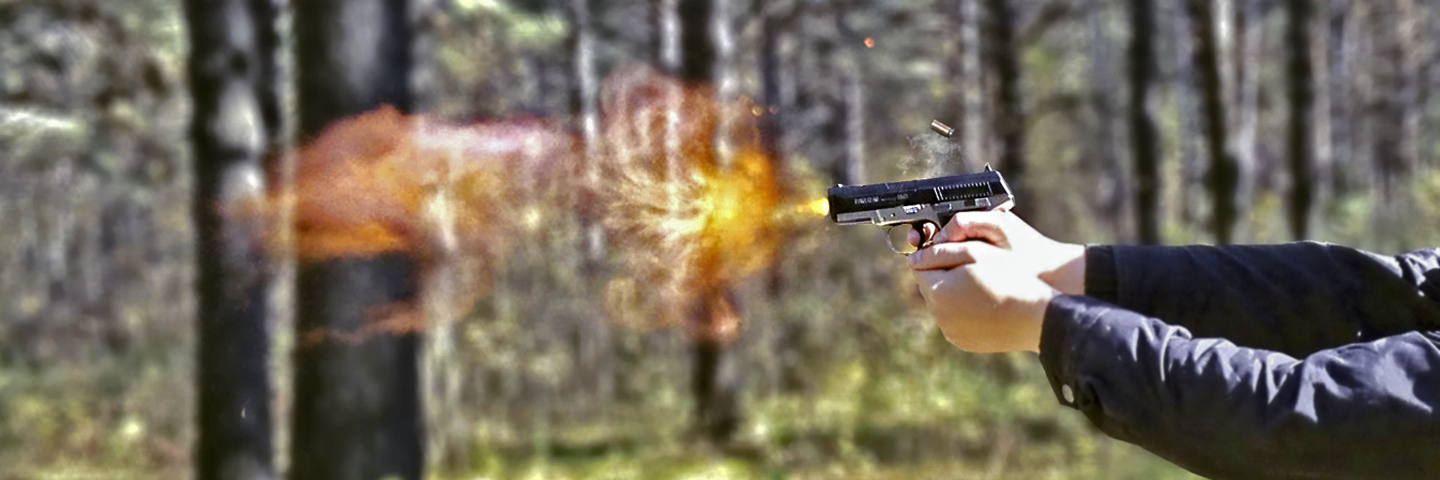
Parents are more willing to let their children see intense gun violence in PG-13 movies when the violence appears “justified,” used to defend a loved one or for self-protection, than when it has no socially redeeming purpose, a new study finds.

-
The Case for Violent Video Games: A Review of “Moral Combat: Why the War on Violent Video Games is Wrong”
Despite the still emerging evidence regarding the effects of violent video games, for some psychologists, including the authors of Moral Combat, the question has been resolved: Violent video games are not only not harmful, but may actually prevent harm. Patrick M. Markey and Christopher J. Ferguson have a history of leading this charge, and this book presents their case.

-
The Continuing Rise of Gun Violence in PG-13 Movies, 1985 to 2015
The Motion Picture Association of America created the parental guidance for children under age 13 years (PG-13) movie rating in 1984 to “strongly” caution parents about content that may not be suited for children of that age. According to that industry-supported group, "There may be depictions of violence in a PG-13 movie, but generally not both realistic and extreme or persistent violence."
-
More Gun Violence in Top PG-13 Films Than R-Rated Ones
The amount of gun violence in top-grossing PG-13 movies has continued to exceed the gun violence in the biggest box-office R-rated films, according to an APPC analysis published in Pediatrics. PG-13 movies also usually feature gun violence without showing consequences such as blood and suffering, researchers said.
-
Adolescents in the Digital Age: Special Journal Issue Focuses on Health
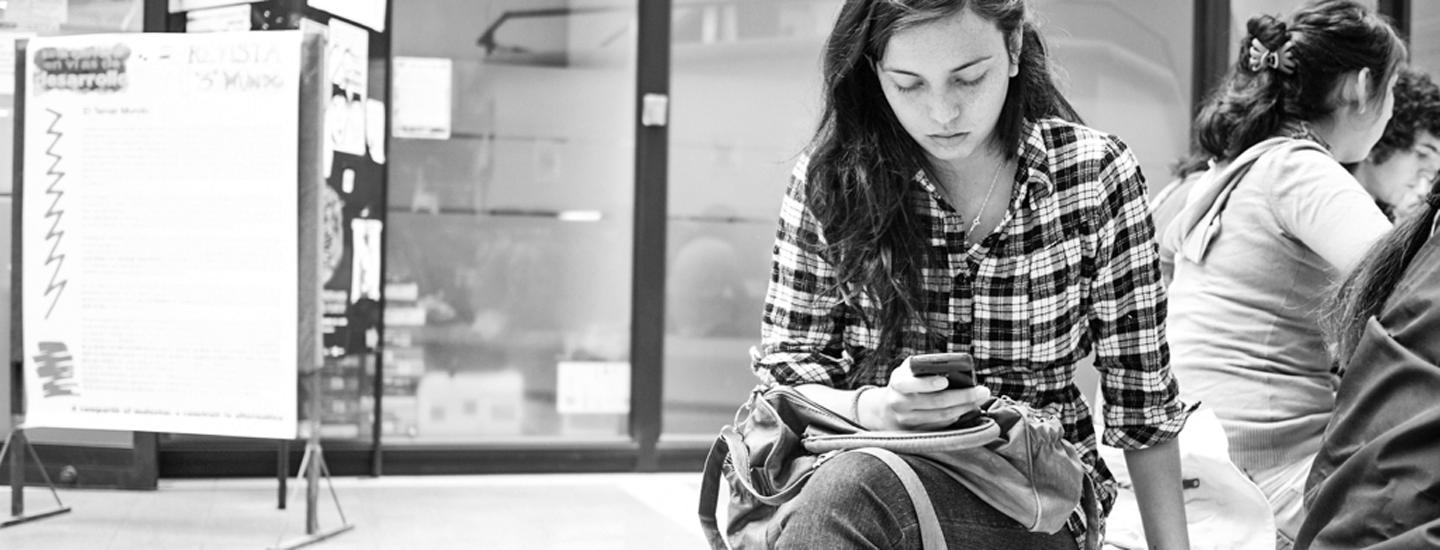
The journal Media and Communication has published a special issue on "Adolescents in the Digital Age: Effects on Health and Development," edited by APPC research director Dan Romer.
-
Adolescents in the Digital Age: Effects on Health and Development
A special issue of Media and Communication dedicated to Adolescents in the Digital Age: Effects on Health and Development. This thematic issue brings together papers by researchers who are studying the ways that today’s adolescents interact with their peers, families, and the larger media environment in the digital age