Overview
The Annenberg Health and Risk Communication Institute (AHRCI) addresses health policy issues concerning young people and adults, with the goal of educating the public, scholarly community, and policymakers about the latest scientific advances in health. It convenes conferences of experts, conducts national surveys, and disseminates its findings through books, scientific reports, and press releases.
Established in 2002 with a grant from the Annenberg Foundation, the institute has conducted the CHAMPION (Coding of Health and Media Project in Our Nation) project for over two decades. The coding project, which has been supported by the Robert Wood Johnson Foundation, identifies historical trends in risky as well as pro-social behaviors in popular movies, broadcast TV and streaming programming. Risky or potentially harmful content includes tobacco and other substance use, suicide, sexual behavior, and violence. Using a cultural indicators framework, the project continues the analysis started by Gerbner and Gross in their analysis of the cultivation effects of popular entertainment as well as news. Current areas of study include gun violence in entertainment media, suicide coverage in news reporting, and policy questions regarding drug use.
The ongoing Adolescent Mental Health Initiative released the third edition of Treating and Preventing Adolescent Mental Health Disorders in 2026, an open-access volume published by Oxford University Press. The initiative, conducted in partnership with The Annenberg Foundation Trust at Sunnylands, also publishes a series of books for parents and teens about adolescent mental health conditions such as ADHD and bipolar disorder. The books are available free for download here.
In collaboration with the center’s Science of Science Communication Institute, AHRCI oversees the Annenberg Science and Public Health (ASAPH) survey, which seeks to understand public knowledge and beliefs about vaccination, infectious diseases, maternal health, climate change, and other consequential public health topics.
The institute also has a longstanding project tracking media coverage of suicide during the winter holiday season. Following a 2000 collaboration with public health officials to develop recommendations for news reporting on suicide, the institute identified what it calls “the holiday-suicide myth,” the false notion that suicide is more likely to occur at holiday time. Annual media advisories aim to educate the press and public about the myth.
People
-
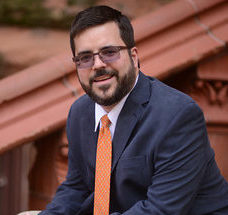
Patrick E. Jamieson
Director
-

Laura Gibson
Senior Data Analyst
-

Lauren Hawkins
Assistant Director
-

Kathleen Hall Jamieson
Director, ASAPH
-

Chidi Nwogbaga
Research Coordinator
-

Shawn Patterson
Research Analyst
-

Zachary Reese
Designer & Technologist
-

Dan Romer
Director, Annenberg Center for Advanced Study of Communication
-

Ken Winneg
Managing Director of Survey Research
Publications
- Publication Update on the Adolescent Mental Health Initiative and Resources
- Publication Treating and Preventing Adolescent Mental Health Disorders
- Publication If Your Adolescent Has Autism
- Publication Rise in Gun Violence in Top U.S. Movies Parallels Growth in Gun Homicides Among Young People
- Publication Characteristics of Adolescents’ and Young Adults’ Exposure to and Engagement with Nicotine and Tobacco Product Content on Social Media
- Publication Advances in Social Media Research to Reduce Tobacco Use
Recent work
-
Missouri Educator’s Lesson Plan Chosen to Teach Video on Immune System
A high school lesson plan developed by a Missouri educator on how cells defend against foreign DNA has been chosen to teach about an animation by researchers at APPC and CHOP.
-
Public Knowledge That Alcohol Causes Cancer Rebounds
Nearly 6 in 10 Americans (58%) know that regularly consuming alcohol increases the chances of later developing cancer, a five-point increase from February 2026.

-
One in 4 Americans Supports MAHA, but Three Times as Many Share Food-Related Concerns
An Annenberg survey finds that while just a quarter of Americans say they support the Make America Health Again movement, many more share its concerns over additives, chemicals, and highly processed foods.

-
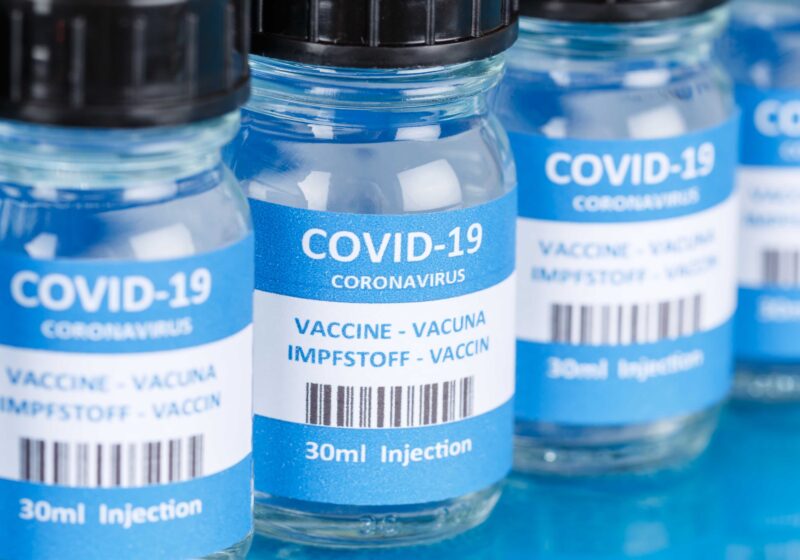
Views of Science Help Explain Partisan Differences Over Vaccine Safety and Effectiveness
How Americans view science and scientists is strongly associated with whether they think vaccines are safe and effective, according to a new study.
-
Knowledge of the 988 Suicide Lifeline remains low
New survey data finds that just 15% of U.S. adults can correctly recall the 988 Suicide & Crisis Lifeline number, with awareness essentially unchanged since 2023.

-
Public Health Strategies Used Against Cigarettes Could Help Reduce Appeal of Firearms, Paper Argues
Dan Romer writes that public health strategies used to help reduce smoking offer an approach to help curb the appeal and use of firearms.

-
About 1 in 3 Americans Say RFK Jr. Recommends Measles Vaccine
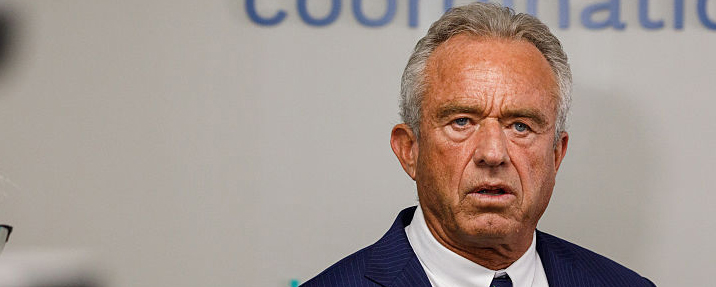
About a third of U.S. adults say HHS Secretary Robert F. Kennedy Jr. recommends vaccinating children against measles - and about as many say he does not recommend it.
-
In Hottest Summer on Record, 2 in 3 Americans Say Climate Change Is Increasing Heat-Related Illnesses
Extreme heat is affecting the everyday lives of most Americans, and most of the public says climate change is raising the risk of respiratory diseases and heat- and insect-related illnesses.

-
Most Americans Know How to Control Mosquitoes; Many Unsure How to Use Insect Repellent
Most people know the best defense against West Nile virus and dengue fever is preventing mosquito bites and controlling mosquitoes around the home, an Annenberg survey finds.

-
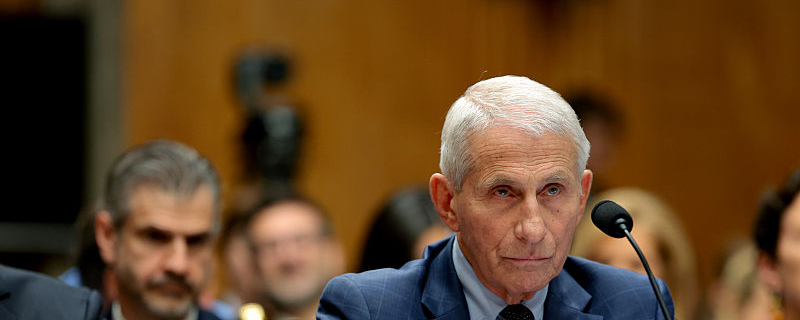
Public Confidence in Fauci Declines Since Spring, But Still Exceeds RFK Jr.
Americans’ confidence in Dr. Anthony Fauci as a source of trustworthy public health information declined from April to August 2026 but remains higher than trust in Health and Human Services Secretary Robert F. Kennedy Jr., an Annenberg survey finds.