Overview
The Communication Science Division connects communication to the study of attitudes, beliefs, goals, intentions, and behavior. We are interested in the relationships among these responses, which are often less straightforward than they appear. Information can change beliefs and attitudes and ultimately behavior but influence also runs in the other direction. What people have done can change what they believe, and existing attitudes affect the information people seek out, accept, reject, and share. We study these processes within individuals, in conversations, and as information moves through dyads and groups.
Attitudes and persuasion are central to this research. People approach communication with prior beliefs and attitudes that affect how they respond to new information. They may seek information that supports their views, ask questions that invite confirming answers, reject opposing arguments, or pass congenial information along to others. But attitudes are not simply resistant to change. New information, experience, behavior, and social influence can alter them. Our research addresses both sides of this process: the forces that reinforce existing views and those that produce change.
Another part of our work concerns motivation and action. Goals and intentions matter, but they do not provide a complete account of behavior. People sometimes fail to act on strong intentions and sometimes act without first changing their attitudes. General goals to act or not act can also affect a range of behaviors. Even the language people use with themselves matters: questions, commands, and other forms of self-talk can affect motivation and performance. This work connects the traditional study of attitudes and persuasion with a broader account of human action.
Misinformation provides an important setting for studying many of these processes. We study how inaccurate and conspiracy beliefs develop and spread, the role of sources and social influence, and strategies for correcting misinformation. Correction is not the only route to change. A person may continue to hold an inaccurate belief but reach a different conclusion because other relevant beliefs have changed. We also study what happens as information passes from one person to another and, increasingly, how people come to represent the sources of the ideas and beliefs they hold.
Much of the division’s work uses these ideas to address problems in public health and public policy. Our health research has examined HIV prevention and testing, substance use, harm reduction, health-service use, and behavioral interventions. This work has shown, among other things, that simply providing information is often not enough. Active interventions that build behavioral skills can outperform passive persuasion, and interventions can succeed or fail because of their demands on participants, the number of behaviors they recommend, or their ability to connect people with useful social and material resources. Similar questions arise in policy communication, where the content and form of a recommendation can affect both responses to the policy itself and subsequent behavior.
We use experiments, surveys, longitudinal and field studies, randomized interventions, meta-analysis, social media and other large-scale data, and computational methods. The mix is deliberate. Some questions require isolating a psychological process; others require observing communication and behavior where they actually occur. Moving between the two allows us to use real-world problems to develop psychological theory and apply psychological theory to improve communication and interventions.
People
-

Dolores Albarracín
Director, APPC; Director, Communication Science Division
-

Man-pui Sally Chan (external site, opens in a new tab)
Research Associate Professor
-

Emma Clarke (external site, opens in a new tab)
Research Coordinator
-

Maya Enisman
Postdoctoral Fellow
-

Kristina Jones (external site, opens in a new tab)
Research Director
-

Jaelin Lai-Yates
Program Assistant
-

Alan Law (external site, opens in a new tab)
Research Coordinator
-
Jordan Levy (external site, opens in a new tab)
Research Coordinator
-

Minjae Seo
Postdoctoral Fellow
-

Jordan Strain (external site, opens in a new tab)
Research Coordinator
-
Salvador Vargas Salfate
Postdoctoral Fellow, Annenberg Public Policy Center and Communication Science
-

Angela Zhang (external site, opens in a new tab)
Senior Research Project Manager
Affiliate members
- Eury Hong Affiliate member
- Hogeun Lee Affiliate member
- Janet Lopez Affiliate member
- Wynne Linnea Williams-Ceci Affiliate member
- Yubo Zhou Affiliate member
Publications
2026
Brown, R.M., & Albarracín, D. (in press). Considering starting or stopping helpful or harmful behaviors: Evidence of a start effect. Journal and Personality and Social Psychology.
Lopez, J., Zhang, A.,…, & Albarracín, D. (in press). A community-codesigned intervention for disease testing, overdose prevention, and social connection. Nature Health.
Enisman, M., Seo, M., Smith, M., Zhou, Y., Karney, B., & Albarracín, D. (in press). Social regulation of human behavior. Annual Review of Psychology.
Zhou, Y., & Albarracín, D. (accepted). Individual and Social Approaches to Environmental Behavior Change. InNavigating Complex Social Challenges: The Role of Communication. Wiley.
Granados Samayoa, J. A., & Albarracín, D. (2026). Belief strength and the attitudinal and behavioural correlates of conspiracy beliefs. British Journal of Social Psychology, 65, e70104. https://doi.org/10.1111/bjso.70104
Fayaz Farkhad, B., Chew, F. Y., Lopez, J., Zhang, A., Zhou, Y., & Albarracin, D. (2026). State HIV prevention policy environments and HIV prevention outcomes: Racial and ethnic differences in the United States. AIDS and Behavior, 1-14.
Jung, H., & Albarracín, D. (2026). Evaluations of and Intentions to Engage in Group and Individual Action and Inaction: Reduced Personal Agency in Group Behavior. Social Cognition, 44(4), 401–425. https://doi.org/10.1521/soco.2026.44.4.401
Zhou, Y., Albarracín, D. The persuasive impact of attitudinal, behavioral, and combined message statements. Sci Rep 16, 14897 (2026). https://doi.org/10.1038/s41598-026-44897-4
Zhou, Y., & Albarracín, D. (2026). Attitudinal and Behavioral Inference in Social Influence: A Process Model of Direct and Indirect Judgments and Decisions. Behavioral Sciences, 16(7), 1188. https://doi.org/10.3390/bs16071188
Lee, H., & Albarracín, D. (2026). Changing beliefs or changing behavior? Understanding the belief-to-behavior process and intervening to curb the impact of misinformation. Journal of Consumer Psychology, 36, 114–132. https://doi.org/10.1002/jcpy.70014
Lee, H., & Albarracín, D. (2026). From beliefs to behavior: Clarifying the roles of attitudes and context. Journal of Consumer Psychology, 36, 151–155. https://doi.org/10.1002/jcpy.70012
2025
Albarracin, D. (2025). Scientific impact on socially beneficial behaviors: Impact and efficiency evidence from behavior change interventions. Social and Personality Psychology Compass, 19, e70109.
van der Linden, S., Albarracín, D., Fazio, L., Freelon, D., Roozenbeek, J., Swire–Thompson, B., & Van Bavel, J. (2025). Using psychological science to understand and fight health misinformation: An APA consensus statement. American Psychologist.
Chan, M. P. S., Fayaz–Farkhad, B., Han, S. Y., Park, J., Wang, S., & Albarracin, D. (2025). Ending the HIV Epidemic: Development and Evaluation of CyberGIS–HIV, a Web–Based Prediction Application. American Journal of Public Health, 115, 1589–1593.
Shen, X., Granados Samayoa, J., & Albarracin, D., (2025). Changing implicit and explicit attitudes and beliefs. In Stern, C. (Ed.), Handbook of Experimental Social Psychology, 8–24.
Dai, W., & Albarracin, D. (2025). The efficacy of multiple–behavior interventions: From Physical to Mental Health. In The Handbook of Mental Health Communication, Wiley, 445–456.
Chan, M. S., & Albarracin, D. (2025). Reply to: Corrections are effective for science misinformation. Nature Human Behaviour, 9(12), 2461–2470. https://doi.org/10.1038/s41562-025-02265-8. PDF
Lopez, J. M., Lohmann, S., Mekawi, Y., Hughes, C., Sunderrajan, A., Tengshe, C., Rajesh, A., & Albarracín, D. (2025). Perseverative Negative Thinking, Self-Control, and Executive Functioning in Symptoms of Depression and Anxiety: A Comprehensive Meta-Analysis of Competing Models. Clinical Psychological Science. https://doi.org/10.1177/21677026251344172. PDF
Chan, M. S. (2025). Enhancing Trust in Science: Current Challenges and Recommendations for Policymakers, the Scientific Community, Media, and Public. In press. Social and Personality Psychology Compass. https://doi.org/10.1111/spc3.70104. PDF
Chan, M. S., Jung, H., Morales, A., Zhang, A., O’Keefe, D., Joseph, S., Hron, A., Davis, J., Terry, T., Peterson, T., Herrman, C., Phillips, M., Osborne, J., McBride, K. G., Hensley, M., Todorov, A., Morrissette, A., Watson, G., Knox, E., … Albarracin, D. (2025). Living health-promotion campaigns for communities in the United States: Decentralized content extraction and sharing through AI. PNAS Nexus, 4(6), pgaf171. https://doi.org/10.1093/pnasnexus/pgaf171. PDF
Albarracín, D., & Zhou, Y. (2025). Matching the Intervention to Its Intended Outcome: Effects of Introducing or Changing Beliefs, Attitudes, and Behaviors. In The Handbook of Personalized Persuasion. Routledge. PDF
Granados Samayoa J, Albarracín D. Beliefs and Belief-to-Behavior Inferences: Clarifications, Rebuttals, and Extensions. Psychological Inquiry. 2025 May; 36(1):75-80. doi: 10.1080/1047840X.2025.2497215. PDF
Granados Samayoa J, Albarracín D. Understanding Belief-Behavior Correspondence: Beliefs and Belief-to-Behavior Inferences. Psychological inquiry. 2025 May; 36(1):1-22. doi: 10.1080/1047840X.2025.2482343. PDF
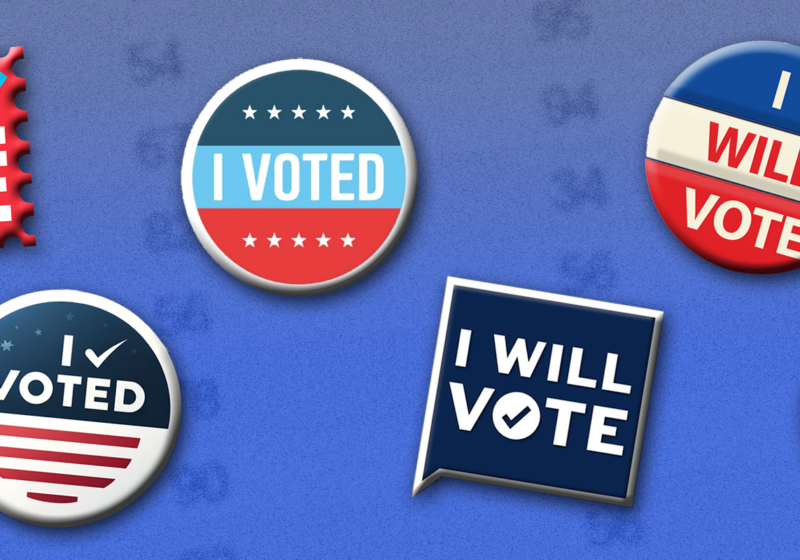
Kraitzman A, DeMora S, Albarracín D. Motivating Future Voters: Comparing the Effects of ‘I Voted’ and ‘I Will Vote’ Stickers on Intention to Vote. Political Communication. 2025 March; 0(0):1-17. doi: 10.1080/10584609.2025.2472768. PDF
Liu X, Chan M pui S, Durantini MR, Albarracín D, Harris A, McCaffrey A, et al. Comprehensive drug policies increase trust in local government: an analysis of authorities’ and residents’ perspectives in rural US Appalachian and Midwestern counties. Harm Reduct J. doi: 10.1186/s12954-024-01148-x. E Pub 2025 Mar 17;22(1):34. PDF
Shen X, Earl A, Albarracin D. Enhancing Others Through Information Selection: Establishing the Phenomenon and Its Preconditions. Journal of personality and social psychology. 2025 March; 129(3):509-528. doi: 10.1037/pspa0000439. PDF
Albarracin, D. & Granados Samayoa, J.A. (2025). In Forgas, J. P. (Ed.), The Psychology of False Beliefs: Collective Delusions and Conspiracy Theories. Taylor & Francis. PDF
Kraitzman A, Etienne T, Albarracin D. How civilian casualty information shapes support for US involvement in an ally country’s war effort. Humanities & social sciences communications. 2025 January; 12(1):6-14. doi: 10.1057/s41599-024-04191-y. PDF
2024
Albarracin, D., Conway, P., Laurent, S., Laurin, K., Manzi, F., Petrocelli, J. V., Rattan, A., Salvador, C. E., Stern, C., Todd, A., Touré-Tillery, M., Wakslak, C., & Zou, X. (2024). Inaugural editorial. Journal of Personality and Social Psychology, 126(1), 1–4. https://doi.org/10.1037/pspa0000376. PDF
Zhang AL, Liu S, White BX, Liu XC, Durantini M, Chan M pui S, et al. Health-promotion interventions targeting multiple behaviors: A meta-analytic review of general and behavior-specific processes of change. Psychological Bulletin. 2024;150(7):798–838. doi: 10.1037/bul0000427. Epub 2024 June 24. PDF
Shen, X., Earl, A., Albarracin, D. (2024). Enhancing Others Through Information Selection: Establishing the Phenomenon and Its Preconditions. Journal of Personality and Social Psychology. PDF
Kraitzman, A. P., Etienne, T. W., Albarracin. (2024). How civilian casualty information shapes support for US involvement in an ally country’s war effort? Humanities and Social Sciences Communications. PDF.
Fishman J, Schaefer KA, Scheitrum D, Robertson CT, Albarracin D. Common measures of vaccination intention generate substantially different estimates that can reduce predictive validity. Sci Rep. 2024 Oct 1;14(1):22843. doi: 10.1038/s41598-024-69129-5. Epub 2024 Oct 1. PDF
Jung H, Dai W, Albarracín D. How Social Media Algorithms Shape Offline Civic Participation: A Framework of Social-Psychological Processes. Perspect Psychol Sci. 2024 Sep;19(5):767-780. doi: 10.1177/17456916231198471. Epub 2023 Dec 7. PMID: 38060826. PDF.
DeMora SL, Granados Samayoa JA, Albarracín D. Social media use and vaccination among Democrats and Republicans: Informational and normative influences. Soc Sci Med. 2024 Jul;352:117031. doi: 10.1016/j.socscimed.2024.117031. Epub 2024 Jun 1. PMID: 38850678. PDF
Harris, E. A., DeMora, S. L., & Albarracín, D. (2024). The consequences of misinformation concern on media consumption. Harvard Kennedy School (HKS) Misinformation Review, 5(3). doi:10.37016/mr-2020-149. PDF
Granados Samayoa, J. A., & Albarracín, D. (2024). Bypassing versus correcting misinformation: Efficacy and fundamental processes. Journal of Experimental Psychology: General. PDF
Liu S, Durantini MR, Calabrese C, Sanchez F, Albarracin D. A systematic review and meta-analysis of strategies to promote vaccination uptake. Nat Hum Behav. 2024 Sep;8(9):1689–705. doi: 10.1038/s41562-024-01940-6. Epub 2024 Jul 1. PDF
Jung H, Albarracín D. Upward and Downward Prosocial Influence Across Levels of a Social Hierarchy: Field and Experimental Evidence About Authorities of U.S. Counties. Social Psychological and Personality Science. 2024 Nov 1;15(8):955–67. doi: 0.1177/19485506241265429. PDF
Albarracin, D., Conway, P., Laurent, S., Laurin, K., Manzi, F., Petrocelli, J. V., Rattan, A., Salvador, C. E., Stern, C., Todd, A., Touré-Tillery, M., Wakslak, C., & Zou, X. (2024). Inaugural editorial [Editorial]. Journal of Personality and Social Psychology.
Granados Samayoa J.A., Albarracín D. Bypassing as a non-confrontational influence strategy. Current Opinion in Psychology. 2024 Oct 1;59:101855. doi: 10.1016/j.copsyc.2024.101855. PDF
Albarracín D, Fayaz-Farkhad B, Granados Samayoa J.A. Determinants of behaviour and their efficacy as targets of behavioural change interventions. Nat Rev Psychol. 2024 Jun;3(6):377–92. doi: 10.1038/s44159-024-00305-0. Epub 2024 May 3. PDF
Albarracin, D., Oyserman, D., & Schwarz, N. (2024). Health Communication and Behavioral Change During the COVID-19 Pandemic. Perspectives on Psychological Science. PDF
Albarracin, D. & Schwarz, N. (2024). The Psychological Science of Pandemics: Contributions to and Recommendations for Social, Educational, and Health Policy. Perspectives on Psychological Science. PDF
Albarracin, D. & Dan, W. (2024). The Impact of the Environment on Behavior. Advances in Experimental Social Psychology. PDF
2023
Chan, M. P. S., Liu, S., White, B.X., Sunderrajan, A., Liu X.C., Durantini, M., Sanchez, F., & Albarracín, D. (2023). Assessing country and social disparities in the efficacy of multiple–behavior interventions for HIV. Journal of Consulting and Clinical Psychology. doi: 10.1037/ccp0000827
Chan, M. S., Albarracín, D. (2023). A meta-analysis of correction effects in science-relevant misinformation. Nat Hum Behav. PDF
Repetto, A., & Albarracin, D. (2023). Attitudes in a polarized world: Sociological and psychological processes of reinforcement of social and political worldviews. In V. Ottati & Chadly Stern (Ed.), Open-Mindedness and Dogmatism in a Polarized World. Oxford University Press. PDF
Calabrese, C. J. & Albarracin, D. (2023). Bypassing misinformation without confrontation improves policy support as much as correcting it. Scientific Reports. PDF
Jung, H. A., & Albarracín, D. (2023). How people use information about changes in infections and disease prevalence. Health Psychology. PDF
Dai. W., …, & Albarracin, D. (2023). Priming behavior: A meta-analysis of the effects of behavioral and nonbehavioral primes. Psychological Bulletin. PDF
Fayaz-Farkhad, B., Jung, H. A., Calabrese, C.J., & Albarracin, D. (2023). State policies increase vaccination by shaping social norms. Scientific Reports. PDF
Hyde, T. & Albarracin, D. (2023). Record-breaking heat days disproportionately influence heat perceptions. Scientific Reports PDF
Jung, H. A., Dai, W., & Albarracin, D. (2023). How social media algorithms shape offline civic participation: A framework of social psychological processes. Perspectives on Psychological Science. PDF
Qu, T., Li, B. X., Chan, M. S., & Albarracin, D. (2023). Bias correction for nonignorable missing counts of areal HIV new diagnosis. Stat, 12(1). PDF
To see more publications from our team, please visit the Social Action Lab website.
Grants
Current Research Grants (PI and MPI)
NIDA (R01DA064602). Testing the Effectiveness of a Remote Intervention to Reduce Infection Risk in Rural Areas of the United States. PI. 2026-2031. $ 5,232,538.
NIMH (R01MH140783). Adaptive, Regionally and Individually Tailored, AI Based Intervention to Increase HIV Testing and Prevention in Philadelphia. MPI. 2026–2031, $4,025,450
NIMH (R01MH132415). Ecology of Health Knowledge in the United States. PI. 2023–2028. $3,914,565
Translating Evidence into Action: Novel Modeling Approaches to Understand the Efficacy of Pharmacy-Based PrEP” (PI: Bita Fayaz-Farkhad; Albarracín: Co-I). 2025–2030. Penn/APPC subcontract: $530,353.
Past Research Grants (PI and MPI)
NIAID (R01 AI147487). Regional Models of HIV Vulnerabilities and Solutions. MPI (with Sally Chan). 2019–2023. $2,493,185.
NIDA (DP1 DA048570). Social Action Initiative in Rural Areas. PI. 2019–2024. $3,901,354.
NIMH (R01 MH114847). Mining Social Media Messages for HIV Testing and Prevention. PI. 2018–2023. $2,911,036.
NIAID Supplement. Strategic Alliances across Jurisdictions to End the HIV Epidemic. PI (Co–PI Annie Jung). 2023–2024. $250,000.
NSF (2031972) RAPID: Agenda Generality and Behavior in Social Network Interactions about COVID–19. PI. 2020–2022. $200,000.
Recent work
-
Dolores Albarracín Receives Two NIH Awards to Advance AI-Powered Health Interventions
APPC director Dolores Albarracín received two NIH awards for research focused on using AI and community partnerships to address public health concerns.
-
State HIV Prevention Policies May Benefit Racial and Ethnic Groups Unequally
State policies that make healthcare easier to obtain and protect LGBTQ+ people from discrimination are associated with greater use of HIV prevention measures among white adults. Those benefits may not extend equally to Black and Latino populations, a study finds.

-
New Study Explains When Some Conspiracy Beliefs Can Lead to Action
A study co-authored by APPC Director Dolores Albarracín identifies three characteristics that help determine when conspiracy beliefs are most likely to shape real-world behavior.

-
What Makes Messages Persuasive?
Penn researchers led by PIK Professor Dolores Albarracín studied the persuasive impact of messages expressing attitudes, describing behaviors, or combining both.

-
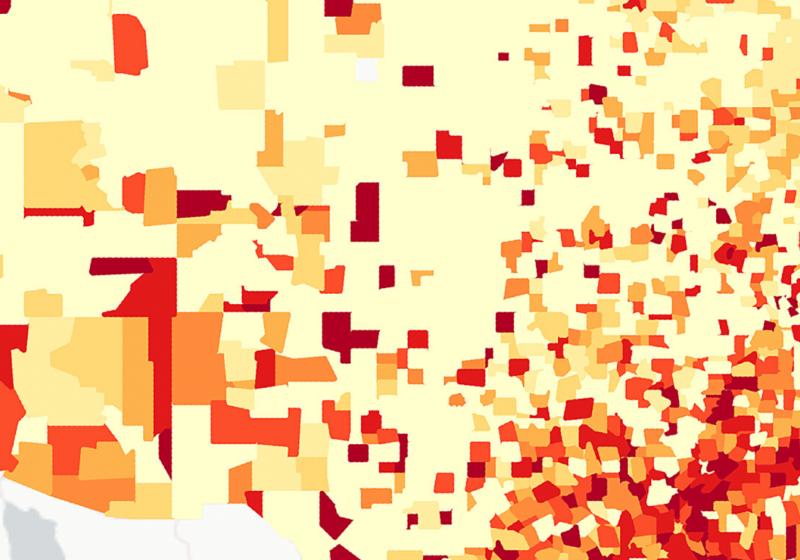
New HIV Mapping Tool Helps Public Health Workers Track and Predict HIV Outbreaks
Researchers from Penn's Social Action Lab, including PIK Professor Dolores Albarracín, have created a tool to help public health workers predict HIV outbreaks.
-
Albarracín Receives Career Award from Society for Personality and Social Psychology
Penn PIK Professor Dolores Albarracín, who directs APPC's Communication Science division, received a Career Contribution Award from the Society for Personality and Social Psychology.
-
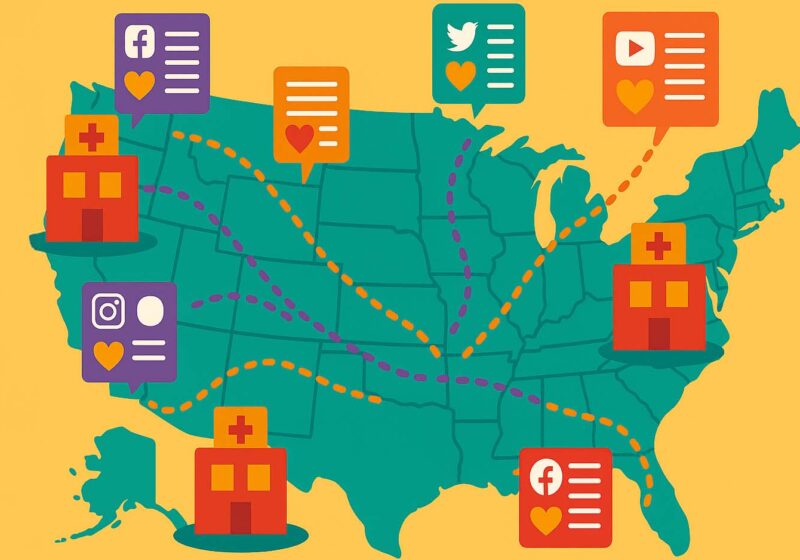
AI Used for Real-Time Selection of Actionable Messages for Government and Public Health Campaigns
A new study by APPC scholars suggests that artificial intelligence can facilitate theory- and evidence-based public health message selection.
-
Do ‘Harm Reduction’ Interventions for Substance Use Lower or Raise Trust in Government?
A paper by APPC and Penn psychologists suggests that harm reduction interventions for substance use increase the public's trust in local government.

-
People Select Feedback to Flatter Others, Except When They Dislike Them
An APPC-led study finds that people generally opt to offer flattering feedback to make others feel good about themselves, unless the stranger is unlikable.

-
‘I Will Vote’: Using Future-Oriented Frames to Motivate Voters
Research by APPC scholars shows that exposure to future-oriented frames, like "I Will Vote" stickers, increases voting intentions.