In the 2016 election cycle, Russian Twitter trolls sent targeted pro- and anti-vaccination tweets via various fake persona types, poisoning the kind of crisis communications that may be critical today in the coronavirus pandemic.
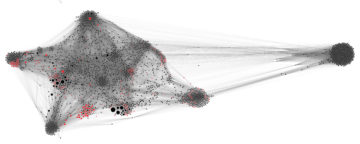
In the 2016 election cycle, Russian Twitter trolls sent targeted pro- and anti-vaccination tweets via various fake persona types, poisoning the kind of crisis communications that may be critical today in the coronavirus pandemic.
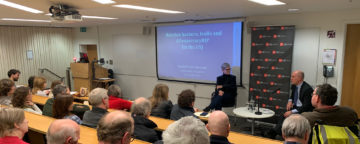
APPC director Kathleen Hall Jamieson spoke at the London School of Economics about the likely effect of Russian trolls and hackers on the 2016 presidential election.
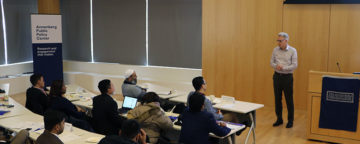
FactCheck.org Director Eugene Kiely met with a dozen international journalists in February through a U.S. State Department tour aimed at debunking misinformation.
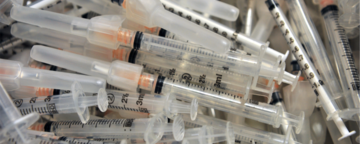
People who rely on social media for information were more likely to be misinformed about vaccines than those who rely on traditional media, according to new research by the Annenberg Public Policy Center.

At their third and final conference, members of the Transatlantic Working Group on content moderation met at Bellagio, Italy, to examine issues involving artificial intelligence and online transparency.

Members of the Transatlantic Working Group (TWG), a project of APPC, offer a 'Disinformation ABC' and other ways to address hate speech, extremism and malevolent speech online.

The Transatlantic Working Group examines how efforts by government and platforms to moderate online content -- and curb hate speech, terrorism, and viral deception -- have been flawed.

The news literacy game NewsFeed Defenders, developed by APPC and iCivics, has been named a finalist in Fast Company's 2019 World Changing Ideas Awards.