-
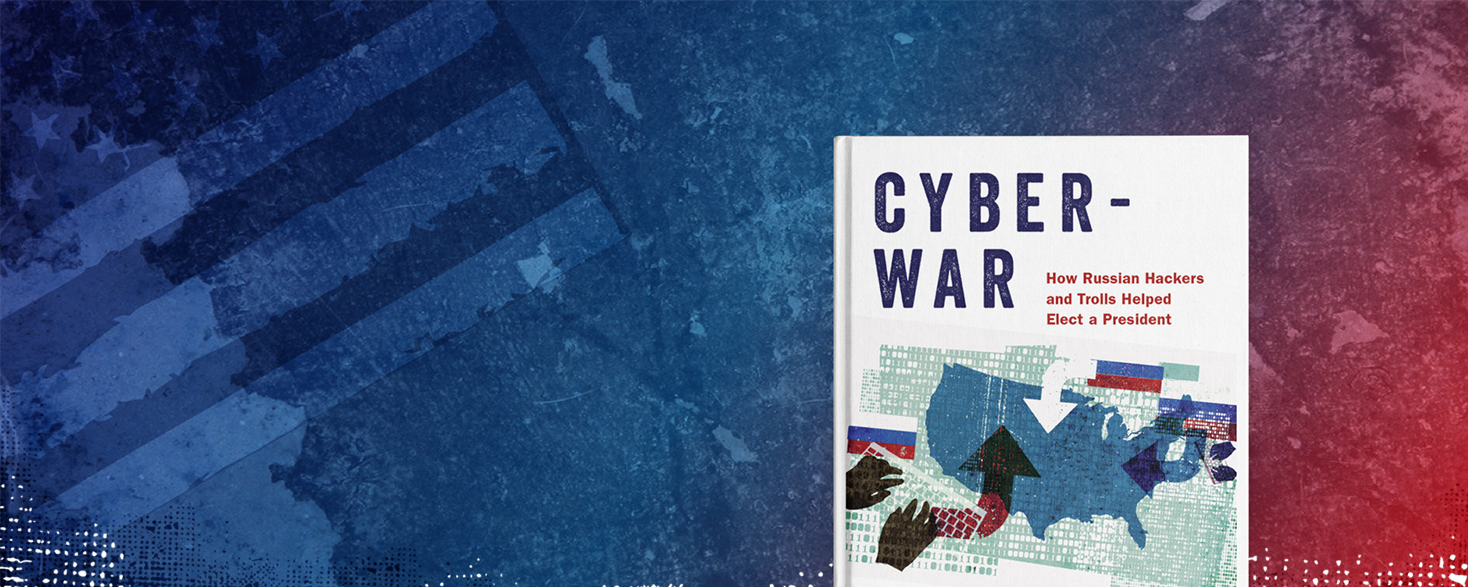
‘Cyberwar’ Wins NCA’s 2019 Roderick P. Hart Outstanding Book Award
Kathleen Hall Jamieson's “Cyberwar” was awarded the Roderick P. Hart Outstanding Book Award by the NCA's Political Communication Division.
-
‘Disinformation ABC’ and Other Strategies to Address Malevolent Speech Online
Members of the Transatlantic Working Group (TWG), a project of APPC, offer a 'Disinformation ABC' and other ways to address hate speech, extremism and malevolent speech online.

-
How Attempts to Moderate Online Content Have Fallen Short
The Transatlantic Working Group examines how efforts by government and platforms to moderate online content -- and curb hate speech, terrorism, and viral deception -- have been flawed.

-
Research on Communicating About Zika Featured in Risk Analysis
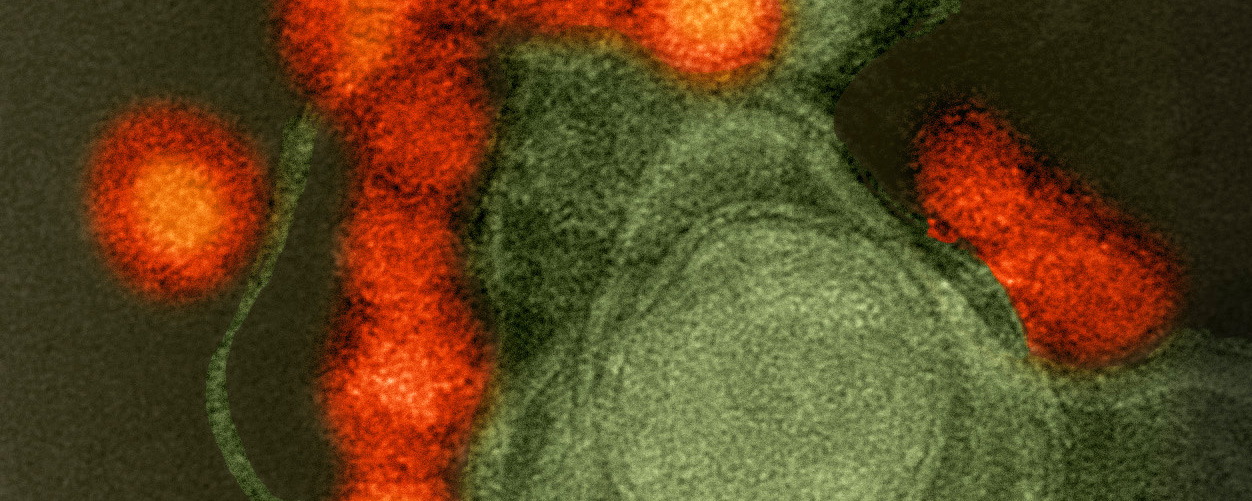
A series of papers originally presented as works-in-progress at a Zika communication summit at APPC in March 2017 were published in a special issue of Risk Analysis on “Communicating About Zika,” aimed at providing theoretical and practical insights.
-
In ‘Cyberwar,’ Jamieson Argues Russians Helped Secure Trump’s Victory
In Cyberwar, Kathleen Hall Jamieson investigates the role of Russian hackers and trolls in the 2016 presidential election and argues it is likely that Russian help was crucial to Donald Trump's victory.
-
The New Yorker Features Jamieson’s Book ‘Cyberwar,’ on Russia and the Election
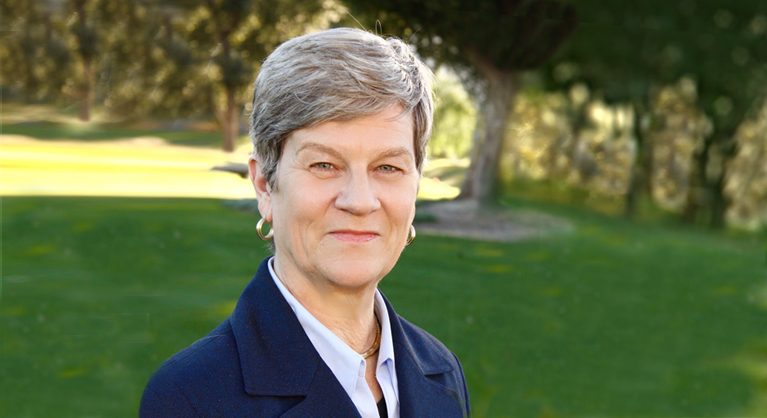
Reporter Jane Mayer writes that Kathleen Hall Jamieson's book "Cyberwar" concludes that Russia likely delivered Trump’s victory.
-
Disruption, Demonization, Deliverance, and Norm Destruction: The Rhetorical Signature of Donald J. Trump
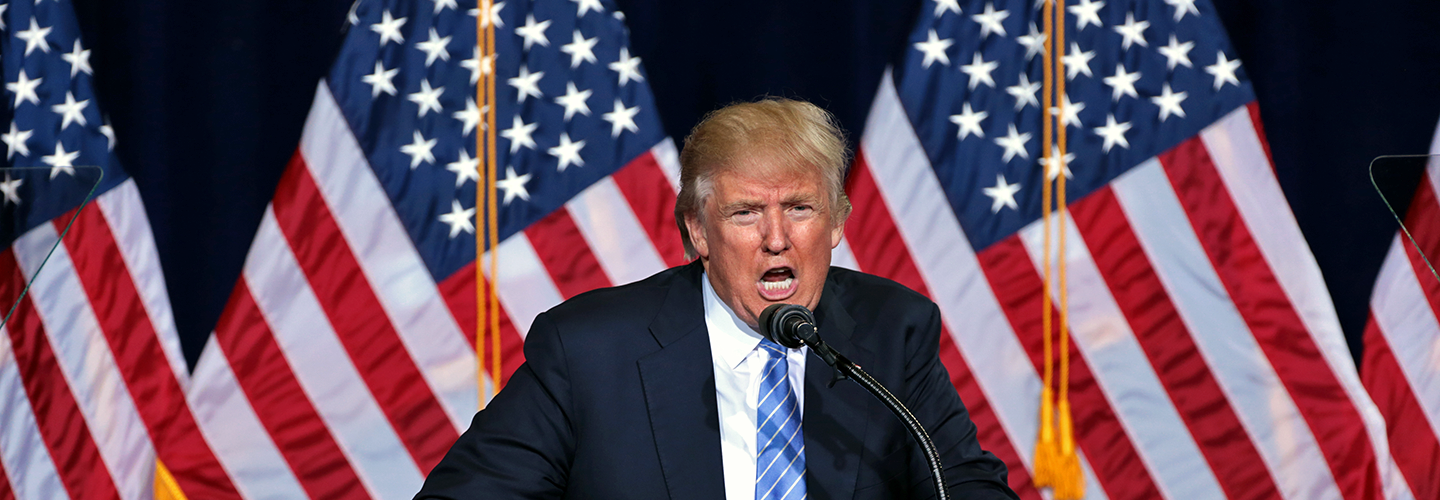
APPC director Kathleen Hall Jamieson and postdoctoral fellow Doron Taussig argue in Political Science Quarterly that President Donald J. Trump has forged a unique rhetorical signature that disrupts the norms of politics and discourse.
-
How Kids’ TV Has Evolved: New Book from Visiting APPC Scholar
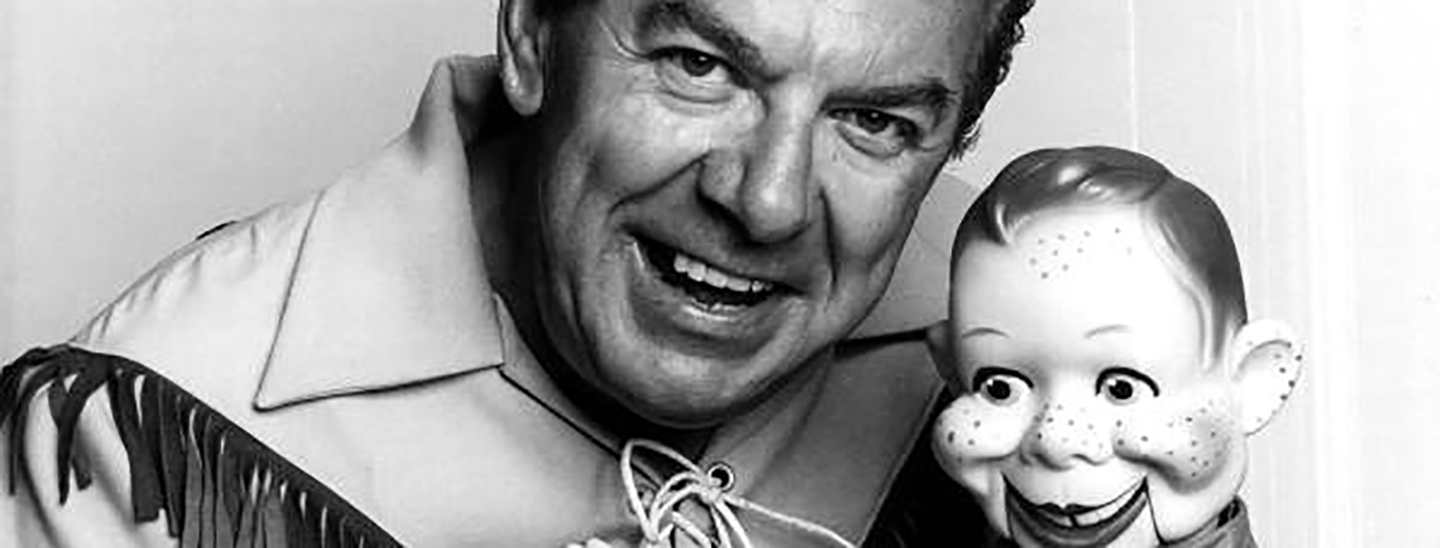
In "Kids' TV Grows Up," former APPC professional-in-residence Jo Holz looks at the evolution of children's programming from Howdy Doody to SpongeBob SquarePants.
-
Scientists: Engage with the Public but ‘Choose Your Audiences Wisely’
APPC researchers urge scientists to engage with the public on scientific issues but caution them to carefully choose their audiences and avoid two-sided debates explicitly framed as conflicts.

-
Issue Brief: The Evidence on Pictorial Warning Labels on Cigarettes
In an issue brief, part of a new series, Annenberg Public Policy Center research director Dan Romer reviews the evidence on the effectiveness of pictorial warning labels on cigarette packs.