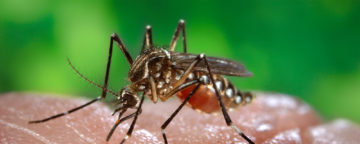
Threatened by the mosquito-borne Zika virus in 2016, Florida residents were much more likely than non-Floridians to report taking protective measures. Even so, fewer than half of Floridians said they actually did so.
Science of Science Communication Institute


Risk Communication Expert Ellen Peters Joins APPC as Visiting Scholar
Ellen Peters, a psychology professor at the Ohio State University who specializes in decision making and innumeracy, has returned this spring to Penn, where she studied as an undergraduate.

False Beliefs About MMR Vaccine Found to Influence Acceptance of Zika Vaccine
People’s willingness to use a Zika vaccine when it’s available will be influenced by how they weigh the risks associated with the disease and the vaccine, but also by their misconceptions about other vaccines, a new study has found.
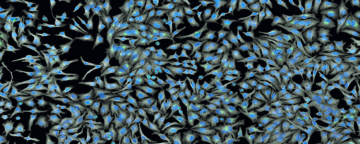
Crisis or Self-correction: Rethinking How the Media Cover Science
An analysis in PNAS of how the media cover science considers whether scientific self-correction is contributing to a flawed narrative and inadvertently undermining public trust in science.

Expert Panel Proposes Common Authorship Standards to Promote Integrity in Science
Scholars, editors, and scientists at a National Academy of Sciences-Sunnylands-APPC retreat proposed uniform standards and greater transparency to clarify the roles of authors across different journals, fields, and cultures.