Threatened by the mosquito-borne Zika virus in 2016, Florida residents were much more likely than non-Floridians to report taking protective measures. Even so, fewer than half of Floridians said they actually did so.
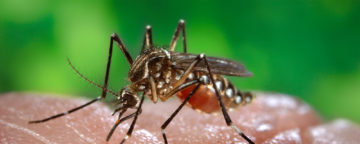
Threatened by the mosquito-borne Zika virus in 2016, Florida residents were much more likely than non-Floridians to report taking protective measures. Even so, fewer than half of Floridians said they actually did so.
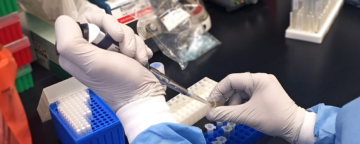
People’s willingness to use a Zika vaccine when it’s available will be influenced by how they weigh the risks associated with the disease and the vaccine, but also by their misconceptions about other vaccines, a new study has found.
An analysis of Twitter posts during the Zika outbreak in 2016 shows a correlation between Twitter topics and the results of nationwide U.S. surveys, according to researchers at APPC and the University of Illinois.
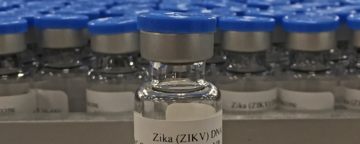
How can the public’s confidence in science be strengthened? A new study finding that public confidence in science spiked following coverage of the Zika vaccine trial in 2016 suggests a way to improve trust in science on a more sustained basis.
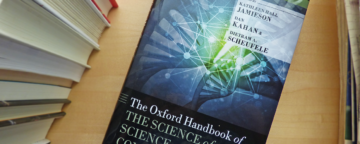
Oxford has published The Handbook of the Science of Science Communication, the first in a series overseen by the Annenberg Public Policy Center's Science of Science Communication program.

APPC postdoctoral fellows presented their research overseas, speaking on GMOs and risk perceptions at a Society for Risk Analysis forum in Italy and on publication bias at a talk in Germany.