-
The Discipline’s Debate Contributions: Then, Now, and Next
This essay will synthesize briefly some of the contributions our scholarship has made to understanding televised presidential debates, telegraph some major findings about three topics—learning from debates, factors that mediate audience response, and the ways in which candidate debate communication forecasts the presidency of the eventual winner—and will then note questions about each of these three areas that invite additional inquiry.
-
All Knowledge Isn’t Created Equal: Knowledge Effects and the 2012 Presidential Debates
In this article, we examine how differences in the context of information in presidential debates affect both who learns from such debates and what they learn. Consistent with previous literature, we report that watching the debates increased knowledge of campaign issues and related matters discussed in the debates. We also found that knowledge based on accurate information that was uncontested in the debate was gained at a greater rate than knowledge based on information that was presented by one candidate but contested by the other.
-
Scholars confer on ‘Patterns of Deception’ and more
In January, the Annenberg Public Policy Center brought together scholars in the fields of communication and debate and speech at a conference in Honolulu to review and make recommendations on current projects at the policy center, ranging from FlackCheck.org's Patterns of Deception videos to Tobacco Watch to an examination of presidential debates.
-
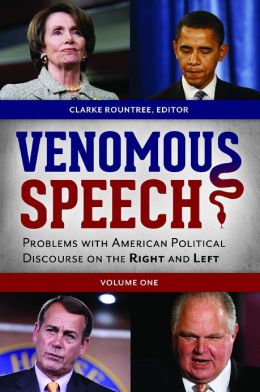
Finding Consensual Fact in Political Debate
Consensual fact is needed to ground engaged argument. One advances an argument from agreed-upon ground that serves as the foundation for the case being made. Among those disposed to contest inconvenient data, engaged debate is made possible, in part, by the existence of institutional sources that each side considers methodologically sophisticated as well as expert in the subject of the debate.
-
A Snapshot of Public Views of Candidate Foreign Policy Positions and Claims on the Eve of the 3rd Presidential Debate
On the eve of the third and final presidential debate, a survey by the Annenberg Public Policy Center reveals foreign policy vulnerabilities for each contender. Over four in ten believe that the…
-
Leonore Annenberg Institute for Civics Co-Sponsors Historic Debate
The Leonore Annenberg Institute for Civics co-sponsored a debate on Oct. 18 at the American Philosophical Society in Philadelphia to mark the 20th anniversary of the Temple American Inn of Court. A…
-
News Round-Up: Kathleen Hall Jamieson on the Republican presidential debates, and more
Kathleen Hall Jamieson is interviewed by the national news media on the Republican presidential debates, and more: Pens, podiums and parity at candidates’ debate (opens in a new tab) (Reuters, October 18)…
-
Presidential and Vice Presidential Debates in 2008: A Profile of Audience Composition
In this study, the authors examine the composition of the audiences for the presidential and vice presidential debates in 2008. Results from the 2008 National Annenberg Election Survey show that the size of the vice presidential debate-viewing audience in 2008 exceeded the sizes of the presidential debate-viewing audiences, which is atypical from prior campaign seasons.
-
Voters Learned Positions on Issues Since Presidential Debates; Kerry Improves Slightly On Traits
The public’s knowledge of the presidential candidates’ positions on issues such as tax cuts and re-importation of drugs from Canada increased after the three presidential debates, the University of Pennsylvania’s National Annenberg…
-
Kerry Gained Favorability after Debate but Bush Is Still Preferred as Commander-in-Chief
John Kerry goes into Friday’s second presidential debate with more Americans having a favorable opinion of him now than did before his first debate with George W. Bush. But the public still…