-
Dolores Albarracín Receives Two NIH Awards to Advance AI-Powered Health Interventions
APPC director Dolores Albarracín received two NIH awards for research focused on using AI and community partnerships to address public health concerns.

-
Public Knowledge That Alcohol Causes Cancer Rebounds
Nearly 6 in 10 Americans (58%) know that regularly consuming alcohol increases the chances of later developing cancer, a five-point increase from February 2026.

-
Knowledge of the 988 Suicide Lifeline remains low
New survey data finds that just 15% of U.S. adults can correctly recall the 988 Suicide & Crisis Lifeline number, with awareness essentially unchanged since 2023.

-
Public Health Strategies Used Against Cigarettes Could Help Reduce Appeal of Firearms, Paper Argues
Dan Romer writes that public health strategies used to help reduce smoking offer an approach to help curb the appeal and use of firearms.

-
Maternal Health Knowledge Is Strong but Gaps Remain, Survey Finds
Many Americans remain unclear about some specific maternal health recommendations, according to a new APPC survey.

-
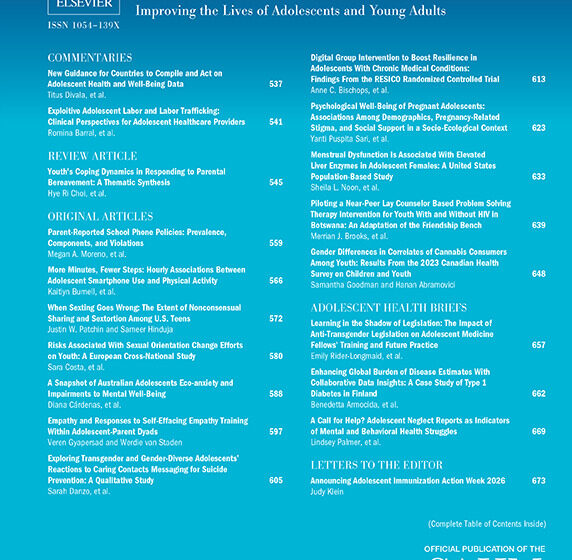
Update on the Adolescent Mental Health Initiative and Resources
In a letter to the editors of the Journal of Adolescent Health, Patrick Jamieson, director of APPC’s Annenberg Health and Risk Communication Institute (AHRCI), highlights new guidance for parents of autistic children:…
-
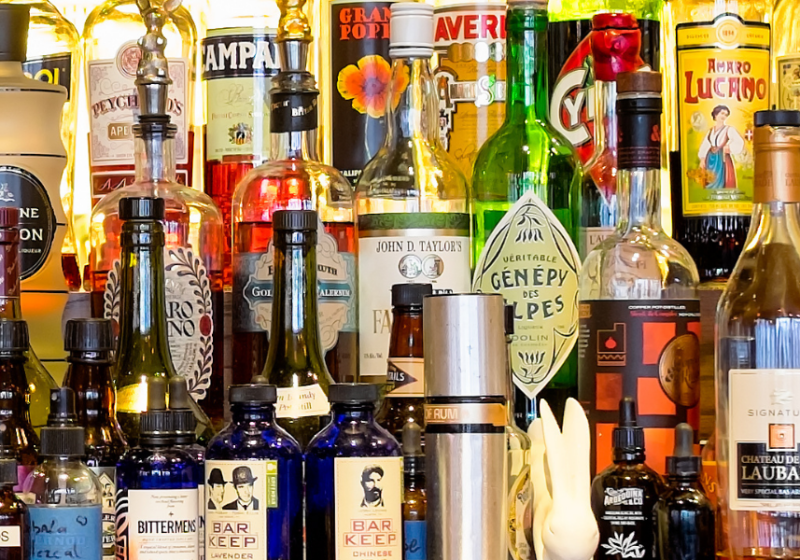
Awareness of Alcohol-Cancer Link Holds Steady Despite Omission in New U.S. Dietary Guidelines
Awareness of the link between drinking alcohol and elevated cancer risk remains unchanged since February 2025, even though the alcohol-cancer connection has been omitted from the latest U.S. dietary guidelines.
-
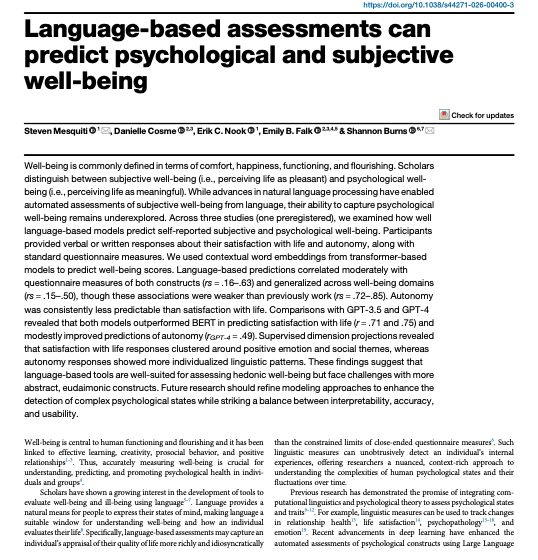
Language-based assessments can predict psychological and subjective well-being
Abstract Well-being is commonly defined in terms of comfort, happiness, functioning, and flourishing. Scholars distinguish between subjective well-being (i.e., perceiving life as pleasant) and psychological well-being (i.e., perceiving life as meaningful). While…
-
Predicting individual differences in digital alcohol intervention effectiveness through multimodal data
Abstract Digital interventions can change behaviors like alcohol use, but effectiveness varies widely across individuals. Accurately identifying non-responders—i.e., those least (vs. most) likely to change their behavior—before intervention delivery is difficult. Individual…

-
Updated Volume Published on Treating and Preventing Adolescent Mental Health Disorders
Oxford University Press has published the third edition of "Treating and Preventing Adolescent Mental Health Disorders," a project of the APPC-led Adolescent Mental Health Initiative.