Although the public views Covid-19, Flu, and MMR vaccines as safe, a new APPC survey shows a statistically significant erosion in support.

Although the public views Covid-19, Flu, and MMR vaccines as safe, a new APPC survey shows a statistically significant erosion in support.

The CDC has urged the use of shared decision-making between parents and health providers for some childhood vaccines, but many don't know what that is, Annenberg surveys show.

A new APPC survey finds a small but significant drop in public willingness to recommend the MMR vaccine to someone in their household.

By a 2-1 margin, Americans are more likely to accept guidance on vaccine safety from the American Medical Association (AMA) than the Centers for Disease Control and Prevention (CDC), an Annenberg survey finds.

According to a new Annenberg Public Policy Center survey, most people are uncertain about which vaccinations are safe and recommended for pregnant people.
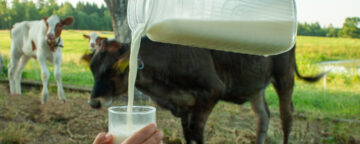
An APPC survey finds that, despite potential bird flu contamination, many Americans do not know that raw milk poses greater health risks than pasteurized milk.
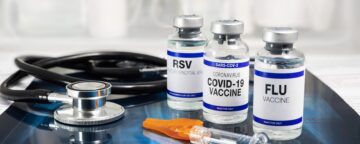
An APPC survey finds that RSV vaccines to protect older adults and newborns have become more widely accepted by the public over the last year.

A comprehensive meta-analysis from a research team led by the University of Pennsylvania examines what types of vaccine intervention strategies have the greatest effect in increasing vaccination.
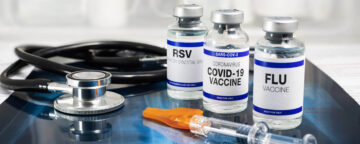
New survey shows over a third of U.S. adults worry that they or someone in their family will get flu, Covid-19, or RSV in next 3 months, but no consensus on which virus is more likely to cause severe illness.

Americans have less confidence in vaccines than they did just a year or two ago, and more people accept misinformation about vaccines and Covid-19, according to an APPC health survey.