In a new article based on a journal review, Dan Romer wrote about the problematic stereotype of the "wild teenage brain." He said much of what's mistaken for risky behavior is part of a normal exploratory drive.

In a new article based on a journal review, Dan Romer wrote about the problematic stereotype of the "wild teenage brain." He said much of what's mistaken for risky behavior is part of a normal exploratory drive.

APPC research director Dan Romer discussed a recent article contending that a lot of seemingly risky teen behavior often attributed to an imbalance in brain development is actually part of normal development.
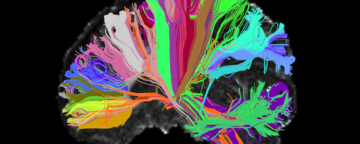
A popular theory in recent neuroscience proposes that slow development of the prefrontal cortex explains teenagers’ seemingly impulsive and risky behavior. An extensive literature review challenges that interpretation.

Oxford University Press has published the second edition of 'Treating and Preventing Adolescent Mental Health Disorders,' an update to the acclaimed book.

A new study finds that pictorial warnings on cigarette packs can help to curb smoking levels at least 30 days after smokers had daily exposure to them.