In Cyberwar, Kathleen Hall Jamieson investigates the role of Russian hackers and trolls in the 2016 presidential election and argues it is likely that Russian help was crucial to Donald Trump's victory.
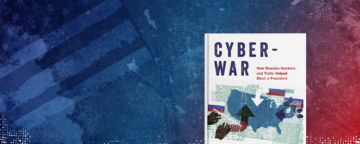
In Cyberwar, Kathleen Hall Jamieson investigates the role of Russian hackers and trolls in the 2016 presidential election and argues it is likely that Russian help was crucial to Donald Trump's victory.

An analysis of Twitter posts during the Zika outbreak in 2016 shows a correlation between Twitter topics and the results of nationwide U.S. surveys, according to researchers at APPC and the University of Illinois.
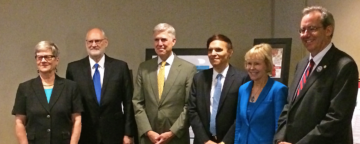
APPC director Kathleen Hall Jamieson moderated panels on civics and fake news at the Ninth Circuit Judicial Conference, and kicked off a seminar series in Steamboat Springs, Colo., with a keynote on fake news.

Limits on marketing cigarettes may be undercut by user-generated YouTube videos. A study of adolescents finds it's possible to counteract such pro-tobacco videos with a corrective message.

On CNN's "Reliable Sources," APPC Director Kathleen Hall Jamieson proposed a new term for made-up stories or "fake news": "Viral deception" or VD.
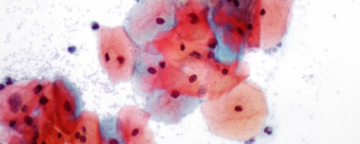
The public’s ability to understand the dangers posed by Zika virus may be jeopardized by advocacy groups linking the virus with culturally charged issues such as illegal immigration and global warming, the authors of a new study warn.

FactCheck.org, the nonpartisan consumer advocate for voters, is among several fact-checking organizations that will work with Facebook in helping to identify and label viral fake news stories flagged by readers.