APPC director Dolores Albarracín received two NIH awards for research focused on using AI and community partnerships to address public health concerns.

APPC director Dolores Albarracín received two NIH awards for research focused on using AI and community partnerships to address public health concerns.

State policies that make healthcare easier to obtain and protect LGBTQ+ people from discrimination are associated with greater use of HIV prevention measures among white adults. Those benefits may not extend equally to Black and Latino populations, a study finds.
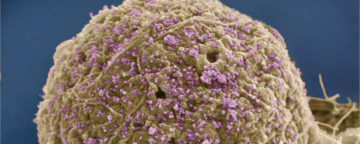
While most people are aware of how sexually transmitted infections (STIs) spread, there are gaps in knowledge about which can be prevented through vaccination.

Researchers from Penn's Social Action Lab, including PIK Professor Dolores Albarracín, have created a tool to help public health workers predict HIV outbreaks.

A new study by APPC scholars suggests that artificial intelligence can facilitate theory- and evidence-based public health message selection.

A paper by APPC and Penn psychologists suggests that harm reduction interventions for substance use increase the public's trust in local government.

A new APPC study shows that witnessing prosocial behaviors makes policymakers more likely to support prosocial policies.

Syphilis cases are on the rise, but many Americans don’t know the symptoms, an APPC survey on sexually transmitted infections finds.
Having trained nurses follow up on medication use with mentally ill patients who are HIV positive was effective both at improving the patients’ quality of life and biological markers for the human immunodeficiency virus, according to a new study from researchers at the University of Pennsylvania. The study is thought to be the first to