The Annenberg Public Policy Center (APPC) of the University of Pennsylvania and the Vaccine Education Center at Children’s Hospital of Philadelphia have announced that a Missouri college educator was selected to develop a lesson plan accompanying their animated video designed to teach high school students about cell biology.
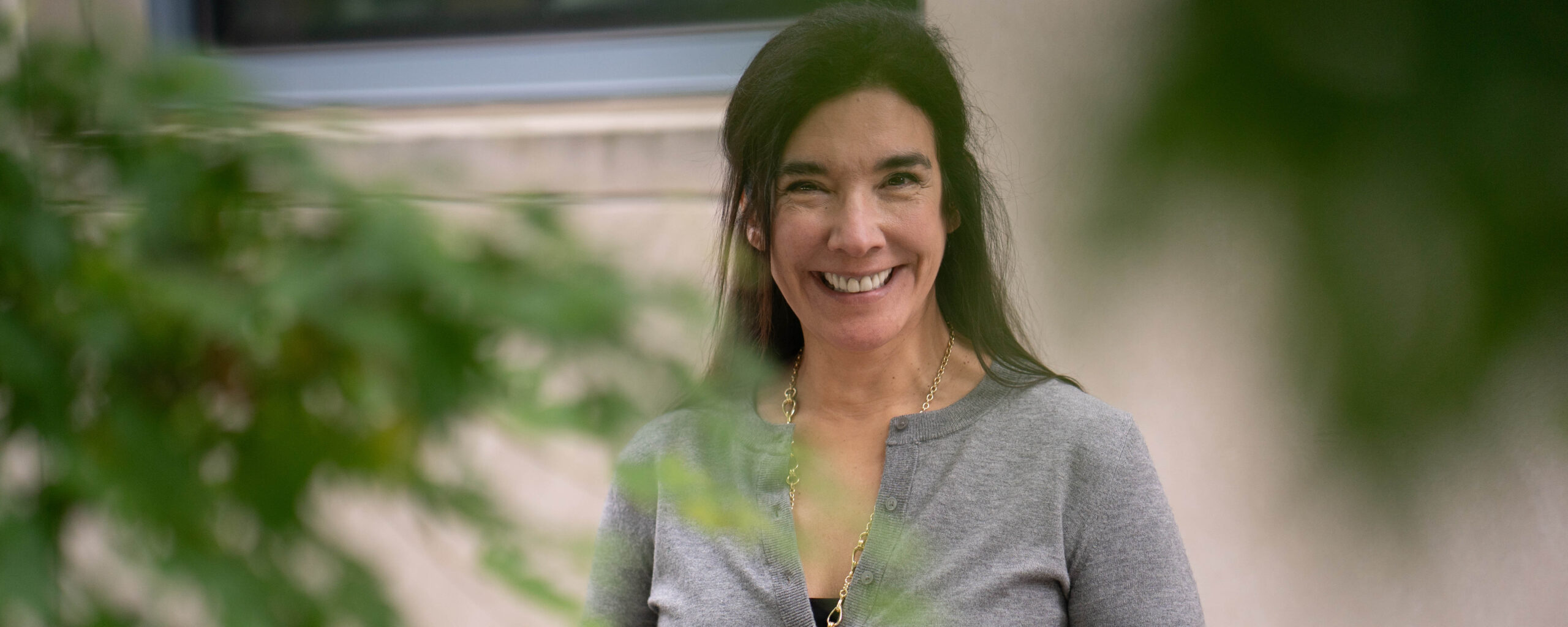
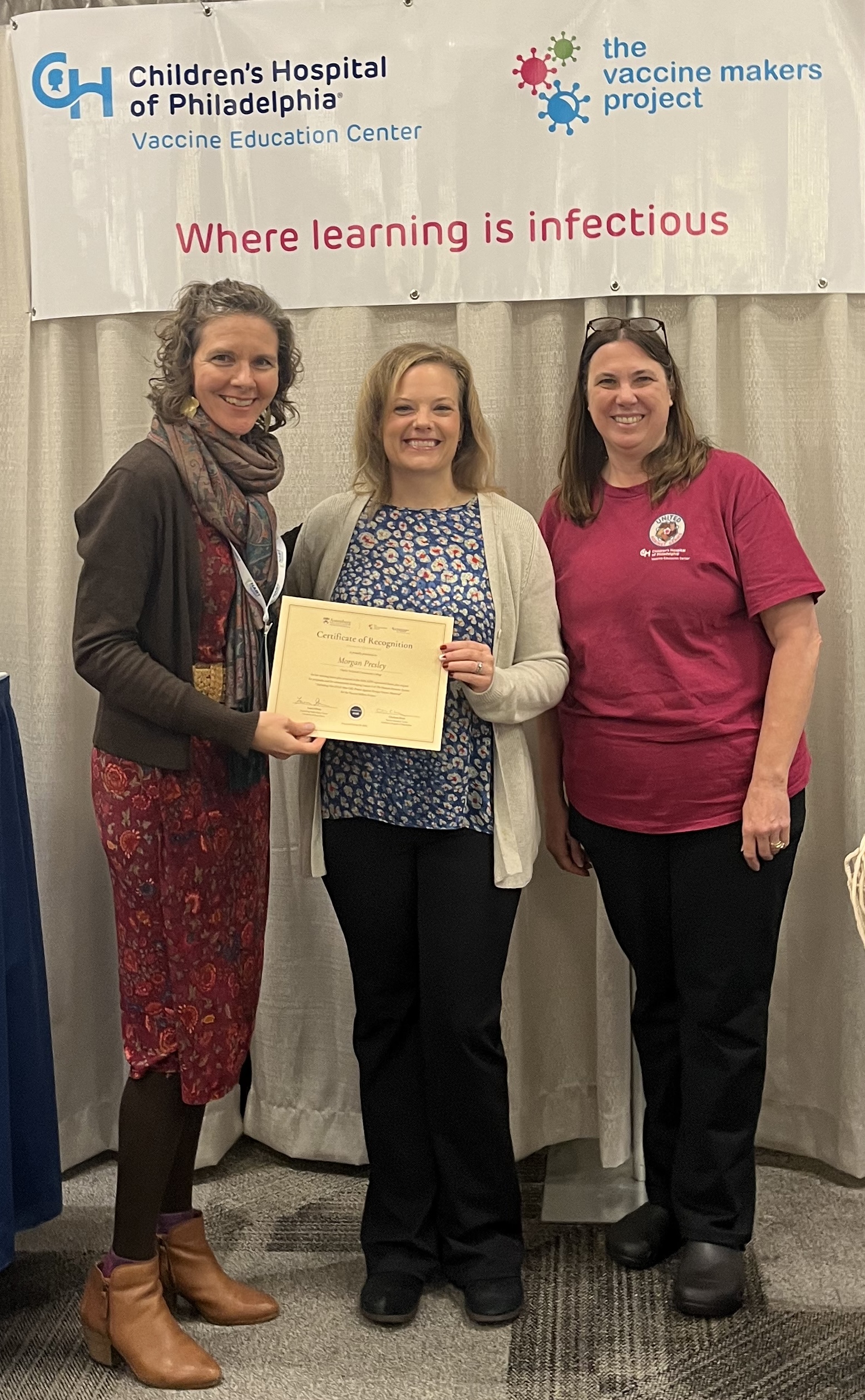
The submission by Morgan Presley, Ph.D. an instructional designer at Ozark Technical Community College in Springfield, Mo., was chosen from over a dozen submissions in a call for lesson plan proposals incorporating the short animation, “How Do Cells Defend Against Foreign DNA?” The animation focuses on a mental model of human cellular defenses, which can be taught without discussing vaccines while still helping students understand vaccine safety.
Educators from across the country submitted proposals, which were reviewed by a committee of biology and vaccine educators. The top three proposals were reviewed by Dr. Paul Offit, director of the Vaccine Education Center (VEC) and Charlotte Moser, co-director of the VEC, resulting in selection of Presley’s proposal for development.
Presley’s lesson plan, “Defending Our DNA: How Cells Protect Against Foreign Genetic Material,” guides students through the various levels of cellular defenses that are in place to protect human DNA against the relatively common exposure to foreign DNA. Students also explore the importance of protecting human DNA against foreign DNA at the cellular, individual, generational, and evolutionary levels.
The animation was shown to be effective in countering unwarranted fears about the human immune system being exposed to foreign DNA through experimental research published in the Proceedings of the National Academy of Sciences.
The new lesson plan has been incorporated as Lesson 4 in the Vaccine Makers Project (VMP)’s high school unit about the human immune system. The VMP is the classroom program of the VEC, a national program founded at the Children’s Hospital of Philadelphia (CHOP) in 2000 to disseminate the science behind vaccines as a means of addressing vaccine safety concerns. The VMP website has been offering free science-based lessons about the immune system and infectious diseases for elementary, middle, and high school students since 2017. Many of the lessons are built around engaging animations and videos.
Presley, who has taught for more than 20 years, said the project began as a way to grow as a teacher. “Writing this lesson plan was for my own professional development,” she said. “I teach anatomy and physiology, and the immune system is one of my weaker areas in terms of content knowledge. At the same time, students have become more interested in the immune system since Covid.”
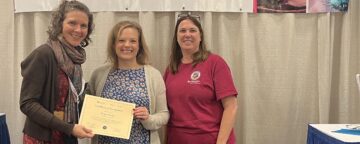
Presley presented the new lesson at the National Association of Biology Teachers conference in Dallas on Oct. 30, 2026.
The complete “Human Immune System” unit is available free on the VMP website.

About the organizations
The Annenberg Public Policy Center (APPC) was established in 1993 to educate the public and policy makers about communication’s role in advancing public understanding of political, science, and health issues at the local, state, and federal levels.
The Vaccine Makers Project (VMP) is the classroom-based program of the Vaccine Education Center at Children’s Hospital of Philadelphia (CHOP). The Center is funded by CHOP and does not receive support from vaccine manufacturers. The VMP is committed to public education about vaccine science via scientifically supported, historically accurate, and emotionally compelling content.