Hello, Educators!
Thank you for your interest in writing a high school lesson plan featuring the short animation, “How Do Cells Defend Against Foreign DNA?,” developed by the Annenberg Public Policy Center (APPC) of the University of Pennsylvania and the Vaccine Education Center (VEC) at Children’s Hospital of Philadelphia.
Details
- We are looking for a lesson plan for high school classrooms that fits into Unit 1 (The Human Immune System) offered on the Vaccine Makers Project (VMP) website. VMP is the classroom program of the VEC.*
- You can find Lessons 1-3 in Unit 1 (The Human Immune System) on the Vaccine Makers Project website.
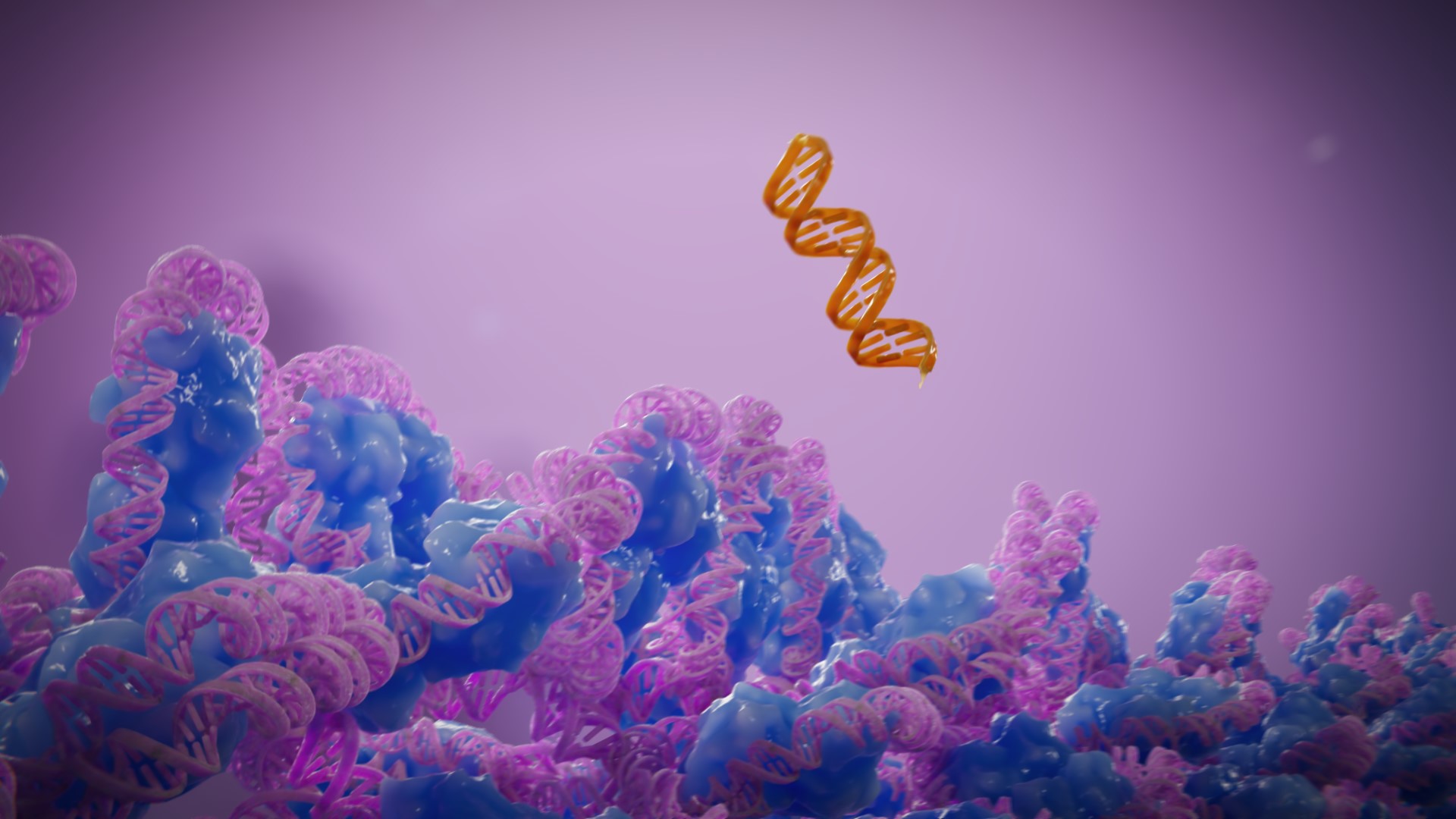
- We would like Lesson 4 to be a case study on how the immune system protects our bodies from the specific threat of DNA from external sources. The lesson plan must include use of the animation “How Do Cells Defend Against Foreign DNA?”
- Teachers may submit only one proposal for a lesson plan.
- Teachers may collaborate with a colleague to submit a proposal. However, payment is for the chosen proposal, not per teacher.
- If your proposal is chosen:
- APPC will pay $3,000 for the development of that lesson plan. The fee includes the transference of all rights, title, and interest in and to the lesson plan copyright to APPC and VEC.
- APPC and VEC staff will be available for questions and as resources during the development process and may collaborate on the final iteration in preparation for dissemination.
- Final iterations will be reviewed for scientific and grammatical accuracy.
- Your name(s), affiliation(s), and other information will be announced through a press release issued by APPC.
- The final lesson plan may be posted on the VMP website with the existing Unit 1 lessons. It will not include your name but will be described as “originally developed in collaboration with the winner of the 2026 APPC-sponsored lesson plan request for proposals,” including a link to the APPC press release.
- You may also have the opportunity to participate in national educator professional development (PD) programs. Participating teachers will be compensated $250 for each PD program they help to facilitate virtually or in-person.
* Note: The VEC is funded by Children’s Hospital of Philadelphia. The VEC does not receive support from vaccine manufacturers.
Important dates
- July 1, 2026** — Lesson plan proposals due
- Aug. 15, 2026 — Decision on selected lesson plans and notification of teachers
- Sept. 25, 2026 – Lesson plans due from selected teachers
** The proposal system will close before July 1, 2026, if 100 proposals have been received.
Things to include in the lesson plan proposal
- How themes from the animation will be incorporated into the lesson
- Lesson questions
- Lesson objectives
- Other materials you would include and examples of references/resources you would use in lesson development
- Specific teaching strategies you would use (note: the 5E model is preferred to match existing lessons in the unit, but not required)
- Student assessment measures
- Alignment with NGSS and Common Core Standards
Lesson plan objectives
The new lesson will be part of an existing unit that teaches students about the immune system. Lesson 1 focuses on the organs and tissues. Lesson 2 focuses on the innate immune system, and Lesson 3 focuses on the adaptive immune system.
Lesson 4 should:
- Provide an opportunity for students to use their understanding of how the immune system works to consider a specific threat, namely, exposure to DNA from external sources.
- Include the animation, “How Do Cells Defend Against Foreign DNA?,” as a resource within the lesson.
- Require students to apply critical thinking skills to explain why protection against foreign DNA is important on one or more levels: cellular, individual, generational, or evolutionary.
Proposals will be evaluated based on 1) how well the lesson is anticipated to meet these objectives, 2) submitting all requested proposal components, and 3) the quality of the proposed teaching strategies.
If you have questions or feedback after reviewing this information, please feel free to follow up with laura.gibson (at) appc.upenn.edu
How to submit your proposal
Submit your proposal by clicking on this link.