Publications
-
Heightened adolescent risk-taking? Insights from lab studies on age differences in decision-making
Abstract Surveys concur that adolescents disproportionately engage in many real-world risk behaviors, compared with children and adults. Recently researchers have employed laboratory risky decision-making tasks to replicate this apparent heightened adolescent risk-taking.…

-
Risk and culture of health portrayal in a U.S. cross-cultural TV adaptation, a pilot study
Abstract Because media portrayal can influence adolescents’ health, we assessed the health-related content of a popular telenovela—a Spanish-language TV soap opera genre—and its widely watched English adaptation. To test our “culture of…
-
Disentangling longitudinal relations between youth cannabis use, peer cannabis use, and conduct problems: developmental cascading links to cannabis use disorder
Abstract Aims To determine whether cannabis use during adolescence can increase risk not only for cannabis use disorder (CUD) but also for conduct problems, potentially mediated by exposure to peers who use…

-
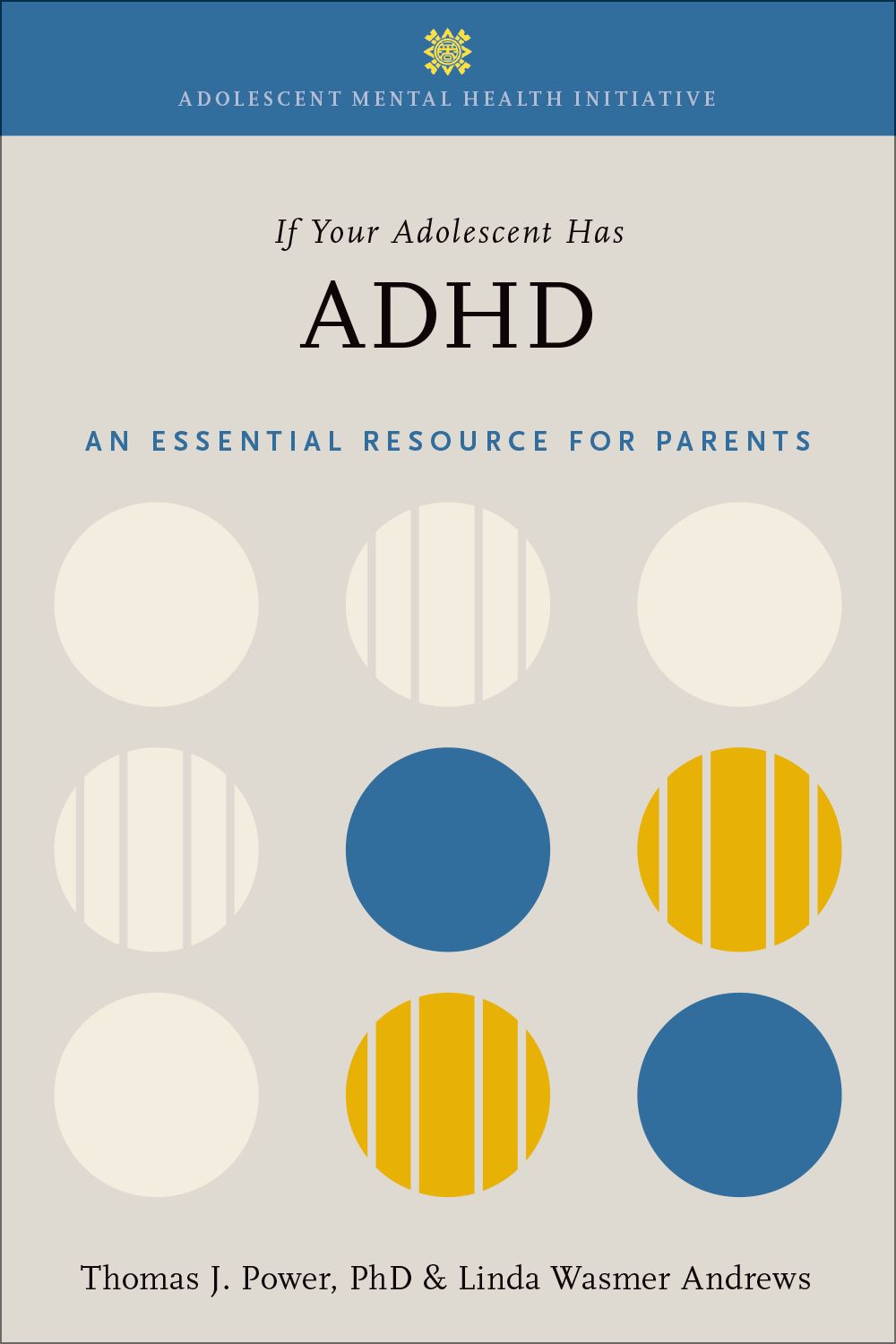
If Your Adolescent Has ADHD
In their new book If Your Adolescent Has ADHD: An Essential Resource for Parents, Thomas J. Power and Linda Wasmer Andrews provide a supportive guide for parents raising an adolescent with attention…
-
Modeling Trajectories of Sensation Seeking and Impulsivity Dimensions from Early to Late Adolescence: Universal Trends or Distinct Sub-groups?
Abstract Developmental imbalance models attribute the rise in risk-taking during adolescence to a universal imbalance between rising reward sensitivity and lagging cognitive control. This study tested predictions of an alternate Lifespan Wisdom…
-
Misleading Claims About Tobacco Products in YouTube Videos: Experimental Effects of Misinformation on Unhealthy Attitudes
Abstract Background: Recent content analyses of YouTube postings reveal a proliferation of user generated videos with misleading statements about the health consequences of various types of nontraditional tobacco use (eg, electronic cigarettes;…

-
Pictorial Warning Labels and Memory for Cigarette Health-risk Information Over Time
Abstract Background Pictorial cigarette warning labels are thought to increase risk knowledge, but experimental research has not examined longer-term effects on memory for health risks named in text. Purpose To investigate memory-consolidation…
-
Cell Phone Use While Driving: A Pattern of Risk in Young Novice Drivers
Abstract Texting while driving is becoming more prevalent among young novice drivers, and has been specifically targeted as a risk factor for teen motor vehicle crashes. However, educational campaigns and prohibitive legislation…

-
Parental Desensitization to Gun Violence in PG-13 Movies
Abstract OBJECTIVE: To assess effects of justified versus unjustified screen violence on parents’ willingness to allow children to view films that contain extensive gun violence. METHODS: A national US sample of 610…
-
Risky movies, risky behaviors, and ethnic identity among Black adolescents
The present study uses survey data from an online sample of 1000 Black adolescents and content analysis ratings on top-grossing 2014 films and 2013/2014 Black-oriented films. The type of movie (i.e., mainstream or Black-oriented) through which Black adolescents are exposed to risky health portrayals is important for understanding its relationship to their behavior, and variations by ethnic identity were limited to sex content.