Publications
-
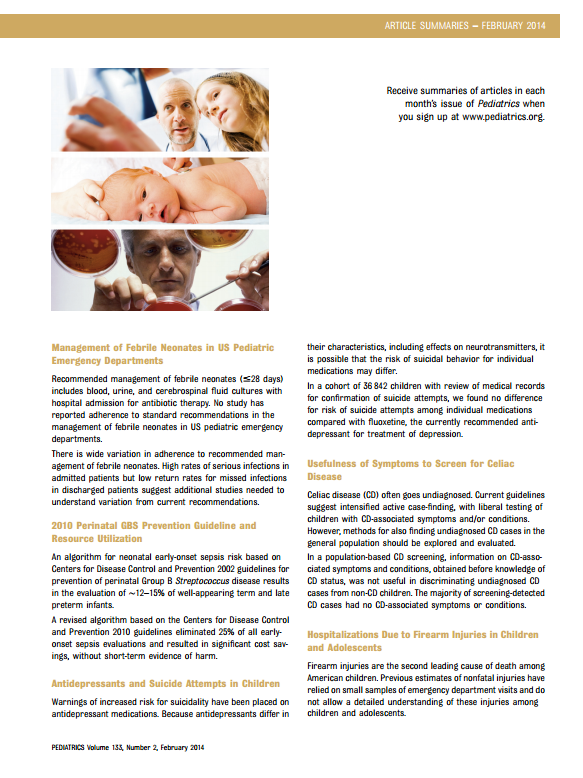
Violent Film Characters’ Portrayal of Alcohol, Sex, and Tobacco-Related Behaviors
: To determine the extent to which movies popular with adolescents feature characters who jointly engage in violence and other risk behaviors. We hypothesized that violent characters engage in other risk behaviors equally often in films rated appropriate for children over 12 (PG-13) and Restricted (R)-rated films.
-
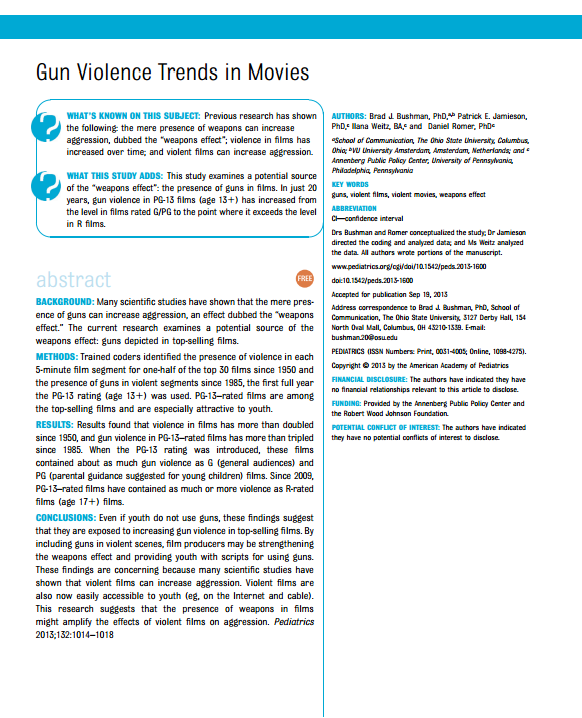
Gun Violence Trends in Movies
Many scientific studies have shown that the mere presence of guns can increase aggression, an effect dubbed the “weapons effect.” The current research examines a potential source of the weapons effect: guns depicted in top-selling films. Even if youth do not use guns, these findings suggest that they are exposed to increasing gun violence in top-selling films.
-
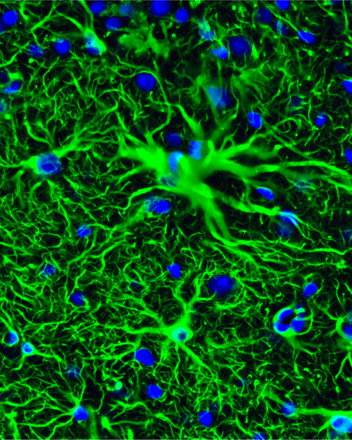
Does Smoking Initiation in Adolescence Increase Risk for Depression Across the Lifespan?
The association between smoking and depression has been well stated in the literature. However, the mechanisms underlying this phenomenon are still unclear. Recent research using an animal model suggests that even low-level nicotine exposure during adolescence has long-lasting effects on the development of depression.

-
Affective and Cognitive Mediators of the Impact of Cigarette Warning Labels
Research conducted by the U.S. Food and Drug Administration to select graphic warning labels for cigarette packs has been challenged as inadequate to demonstrate effects on smokers’ beliefs about smoking. The present study tested the prediction that warnings alter risk perceptions and thoughts of quitting indirectly through a cognitive pathway (warning believability) and an affective pathway (worry about health), both of which are important for encouraging smokers to consider quitting.

-
Beliefs Associated With Intention to Ban Smoking in Households With Smokers
Smoking in homes exposes family members to secondhand smoke, an exposure that is harmful to children and adults. This study identifies barriers to instituting household smoking bans and beliefs that are positively and negatively related to smoking bans in households with smokers.

-
Content Matters: Neuroimaging Investigation of Brain and Behavioral Impact of Televised Anti-Tobacco Public Service Announcements
Televised public service announcements are video ads that are a key component of public health campaigns against smoking. Understanding the neurophysiological correlates of anti-tobacco ads is an important step toward novel objective methods of their evaluation and design.
-
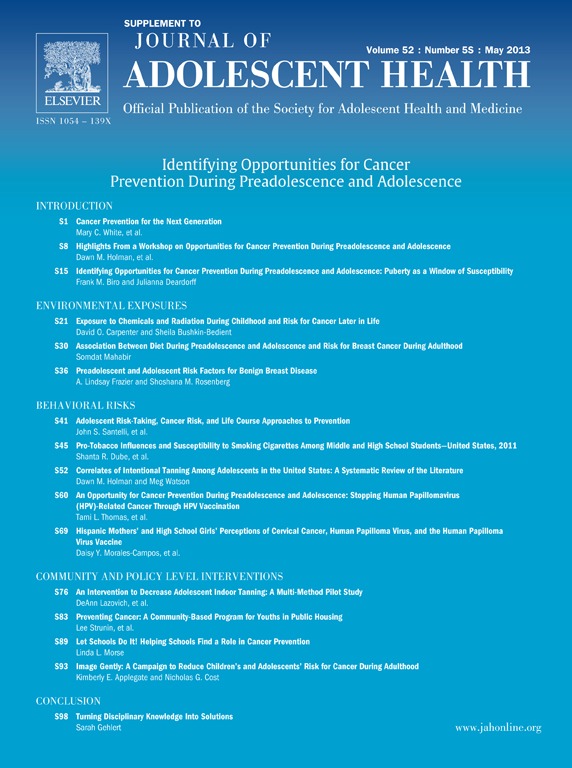
Older Versus Newer Media and the Well-being of United States Youth: Results From a National Longitudinal Panel
Despite concerns that excessive use of new media is harmful to adolescent development, the findings reinforce previous conclusions that television detracts from academic performance and book reading supports it.
-
Does the Effect of Exposure to TV Sex on Adolescent Sexual Behavior Vary by Genre?
Using the Integrated Model of Behavioral Prediction, this study examines the effects of exposure to sexual content on television by genre, specifically looking at comedy, drama, cartoon, and reality programs, on adolescents' sex-related cognitions and behaviors.

-
Desire Versus Efficacy in Smokers’ Paradoxical Reactions to Pictorial Health Warnings for Cigarettes
Pictorial health warnings on cigarette packs create aversive emotional reactions to smoking and induce thoughts about quitting; however, contrary to models of health behavior change, they do not appear to alter intentions to quit smoking. We propose and test a novel model of intention to quit an addictive habit such as smoking (the efficacy-desire model) that can explain this paradoxical effect.

-
Effects of Promoting Health Among Teens on Dietary, Physical Activity and Substance Use Knowledge and Behaviors for African American Adolescents
African Americans are disproportionately affected by cardiovascular disease and cancer. Health promotion interventions hold promise for reducing health disparities.