Earlier work
-
Use of Conservative and Social Media Linked with COVID-19 Misinformation
Users of conservative or social media in the early days of the COVID-19 outbreak were more likely to be misinformed about how to prevent the virus and believe conspiracy theories about it.

-
Vaccine Misinformation and Social Media
People who rely on social media for information were more likely to be misinformed about vaccines than those who rely on traditional media, according to new research by the Annenberg Public Policy Center.

-
Alarm and Response for Emerging Health Threats: Social Media, News and Zika
Social and news media have different associations with risk perceptions and preventive behavior in an emerging health threat such as Zika, according to new research.

-
Floridians Took Zika Virus More Seriously Than Rest of U.S., But Most Did Nothing
Threatened by the mosquito-borne Zika virus in 2016, Florida residents were much more likely than non-Floridians to report taking protective measures. Even so, fewer than half of Floridians said they actually did so.
-
False Beliefs About MMR Vaccine Found to Influence Acceptance of Zika Vaccine
People’s willingness to use a Zika vaccine when it’s available will be influenced by how they weigh the risks associated with the disease and the vaccine, but also by their misconceptions about other vaccines, a new study has found.

-
Public Trust in Science Spiked After News Reports of Zika Vaccine Trial
How can the public’s confidence in science be strengthened? A new study finding that public confidence in science spiked following coverage of the Zika vaccine trial in 2016 suggests a way to improve trust in science on a more sustained basis.

-
Pope’s Encyclical Did Not Raise Broad Public Concern Over Climate Change
Pope Francis’ 2015 encyclical on the environment, “Laudato Si’,” did not rally broad public support for climate change among Catholics and non-Catholics, according to a new study from researchers at the Annenberg Public Policy Center.

-
Most in Florida Favor Use of Genetically Modified Mosquitoes to Fight Zika
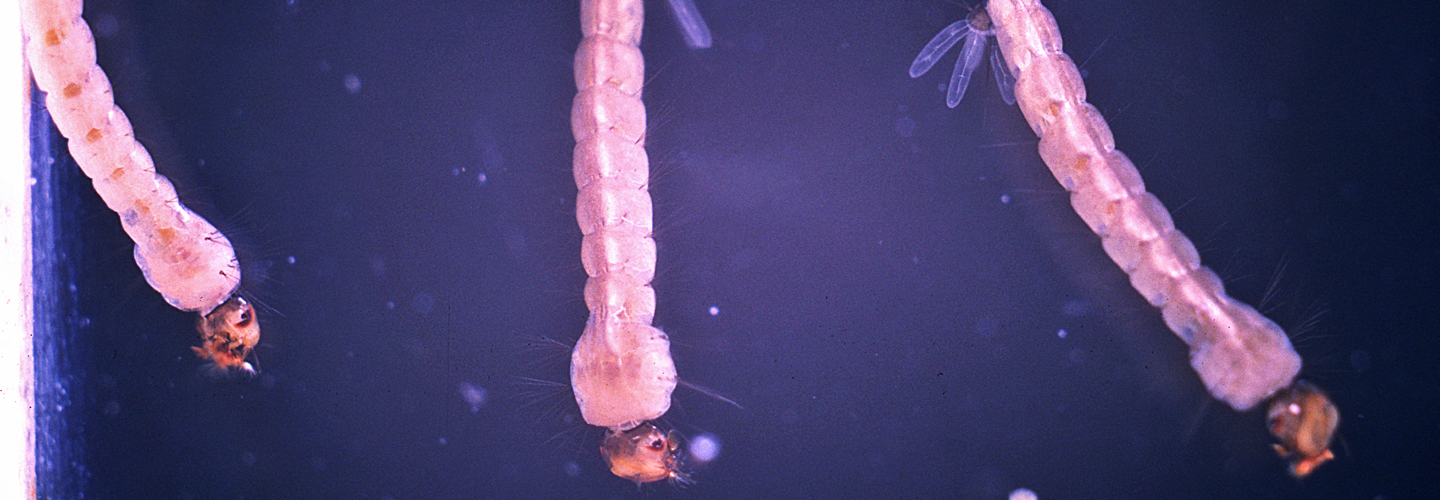
Most Floridians favor the use of genetically modified mosquitoes to fight the spread of Zika virus and are significantly more likely to approve of it than people who live outside Florida, the Annenberg Science Knowledge survey has found.
-
More Floridians Taking Precautions Against Zika Than Others in U.S.
Floridians see themselves at greater risk of being infected with Zika compared with other people nationally, and more Floridians than non-Florida residents have takening steps to protect themselves, an APPC survey finds.
-
How the Media Can Better Inform the Public About Zika
Many Americans hold mistaken beliefs about Zika virus. To help provide the public with accurate information, the policy center has released a free "A Guide to Effective Zika Coverage" for writers, editors, reporters and broadcasters.