-
A Majority of People Say They Would Get a Zika Vaccine If It Were Available
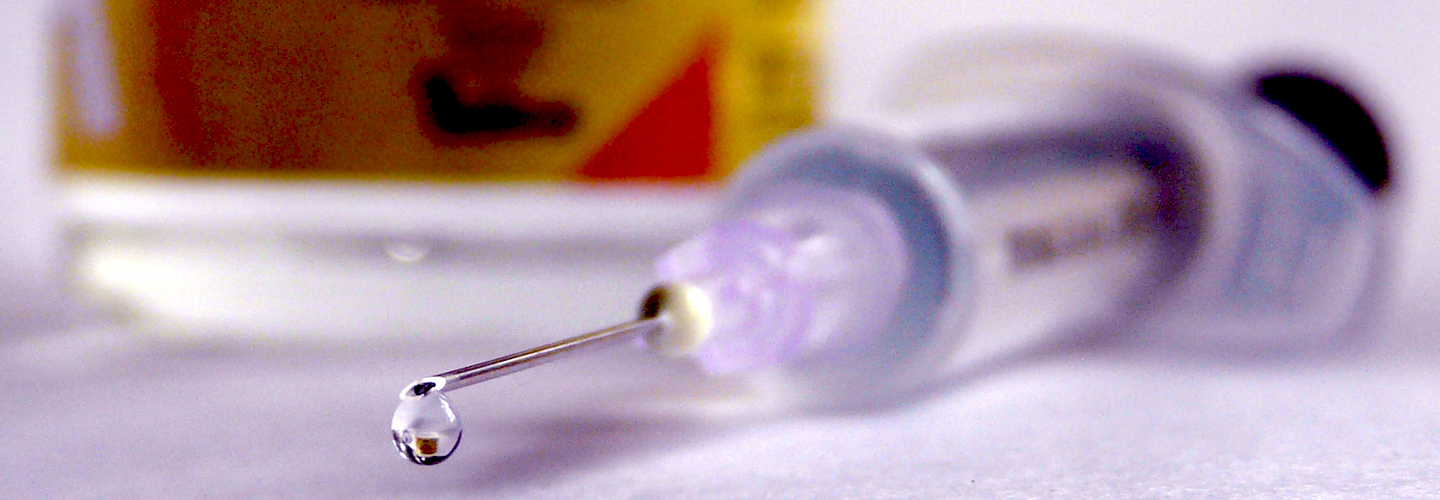
A majority of people in the U.S. said that they would be likely to get a vaccine to protect them against Zika virus if it were available, according to the latest APPC survey, No vaccine exists yet.
-
FactCheck.org Wins Webby Again for Best Political Site
For the third consecutive year, FactCheck.org has been awarded the Webby for best Political Blog/Website, and received the People's Voice Webby, as voted by the public, in the same category

-
FactCheck.org Is Nominated for a Webby as Best Political Site
The Annenberg Public Policy Center's FactCheck.org, the nonpartisan "consumer advocate" for voters, has been nominated for the third consecutive year for a Webby as best Political Blog/Website.

-
Nearly 2/3 of Americans Claim ‘Poor’ or ‘Fair’ Understanding of GMOs
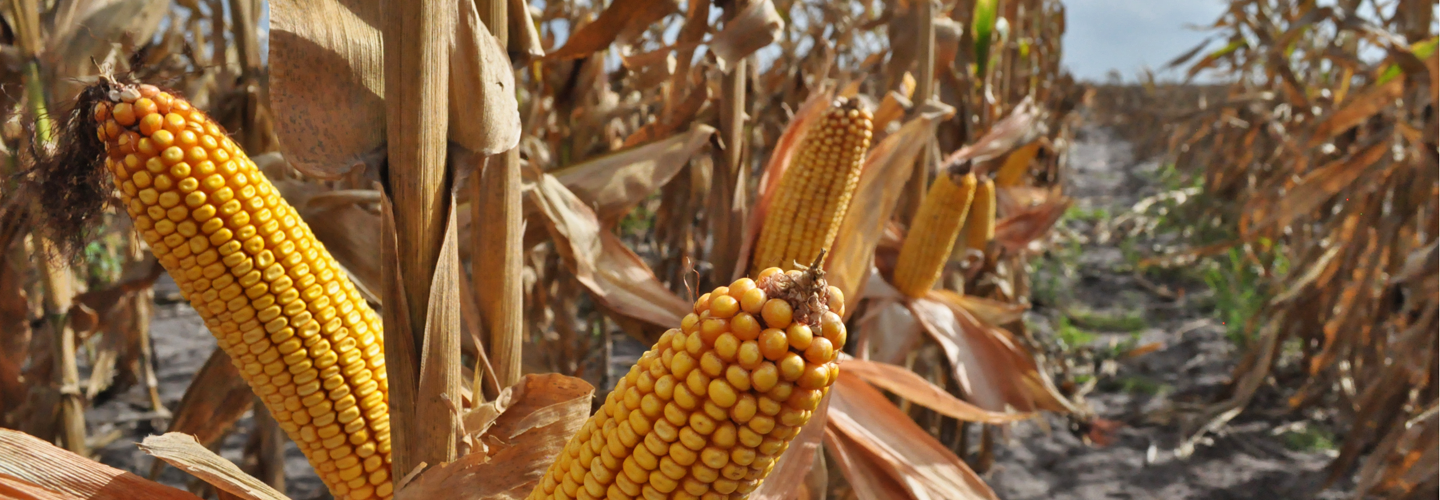
Nearly two-thirds of Americans claim to have a “poor” or “fair” understanding of genetically modified organisms (GMOs), suggesting more knowledge is needed in food labeling and using GM mosquitoes to fight Zika.
-
SciCheck Receives Additional Funding, Names New Science Writer
FactCheck.org announced that its SciCheck initiative has received funding from the Stanton Foundation to continue fact-checking science-based political claims through the 2016 campaign.

-
FactCheck.org Recaps the Year in False Claims About Climate Change: Story and Video
In light of the historic climate deal made at the United Nations' Conference of the Parties in Paris, FactCheck.org has compiled a recap of misleading and false claims about climate change that were investigated in 2014-2015.

-
Communicating the Value and Values of Science
When science communicators violate science’s norms, they invite the audience to question whether the underlying science has done the same. And when science communication forsakes the values of science, it increases the likelihood that bad science will affect the public and public policy, feed suspicion about scientists’ self-interests or conspiratorial motives, confuse the public and muddy the policy debate.

-
CNN’s “State of the Union” and FactCheck.org Partner on Coverage
CNN's "State of the Union" and FactCheck.org, the nonpartisan fact-checking site, have announced a new partnership to create a weekly online video series looking at claims made in the 2016 presidential campaign. "State of the Union" anchor Jake Tapper will host the series.
-
Cronkite/Jackson Prize for Fact Checking Awarded to Denver’s KUSA
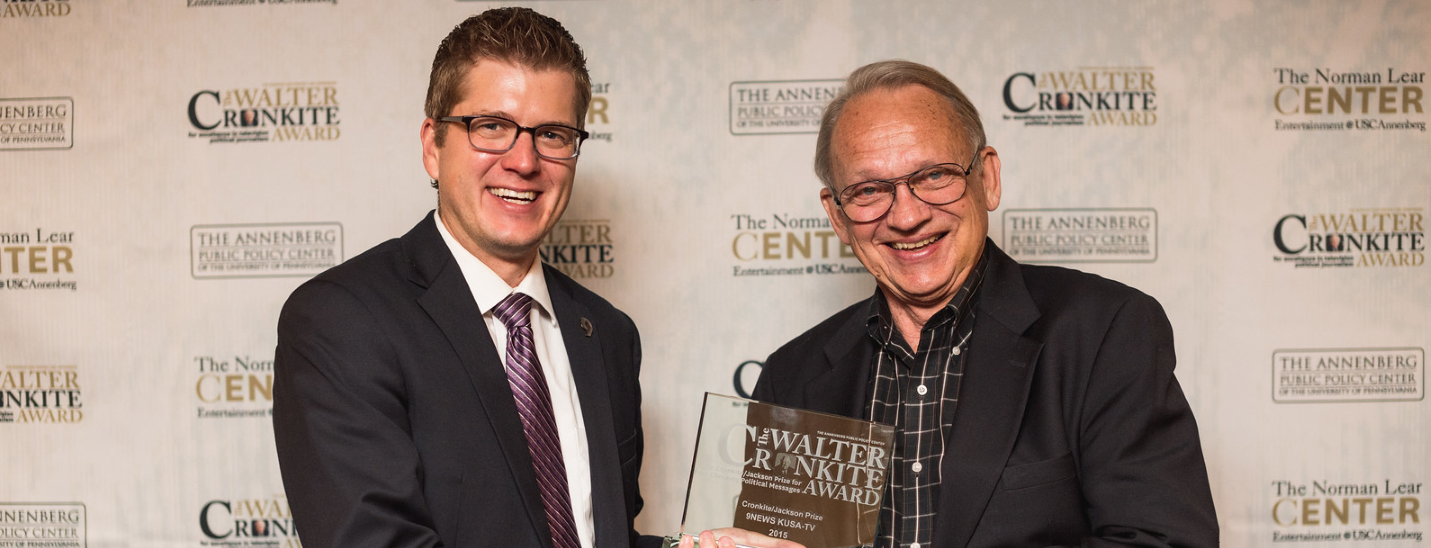
Political reporter Brandon Rittiman of KUSA, 9News Denver, was awarded the 2015 Cronkite/Jackson Prize for Fact Checking for his work producing what the jury called "the best fact checking segments on local TV."
-
FactCheck.org wins two Webbys
FactCheck.org, the nonpartisan, nonprofit “consumer advocate” for voters, has been awarded the 2015 Webby for best Political Blog/Website by the International Academy of Digital Arts and Sciences. And thanks to its readers, it has also been awarded the People’s Voice Webby in the same category.