-
COVID-19 Risk, Prevention and Treatment
The "Guide for Understanding How to Protect Yourself and Your Community" from COVID-19 offers valuable information about the disease and its origin, transmission, virulence, prevention and treatments.

-
Conference Explores Climate Change in the Arctic and National Security
Penn's APPC and CERL presented a conference to discuss strategies to address challenges associated with Arctic climate change.

-
Freedom and Accountability: A Transatlantic Framework for Moderating Speech Online
The Transatlantic High Level Working Group on Content Moderation Online and Freedom of Expression was formed to identify and encourage adoption of scalable solutions to reduce hate speech, violent extremism, and viral…

-
How right-leaning media coverage of COVID-19 facilitated the spread of misinformation in the early stages of the pandemic in the U.S.
We have yet to know the ultimate global impact of the novel coronavirus pandemic. However, we do know that delays, denials and misinformation about COVID-19 have exacerbated its spread and slowed pandemic…
-
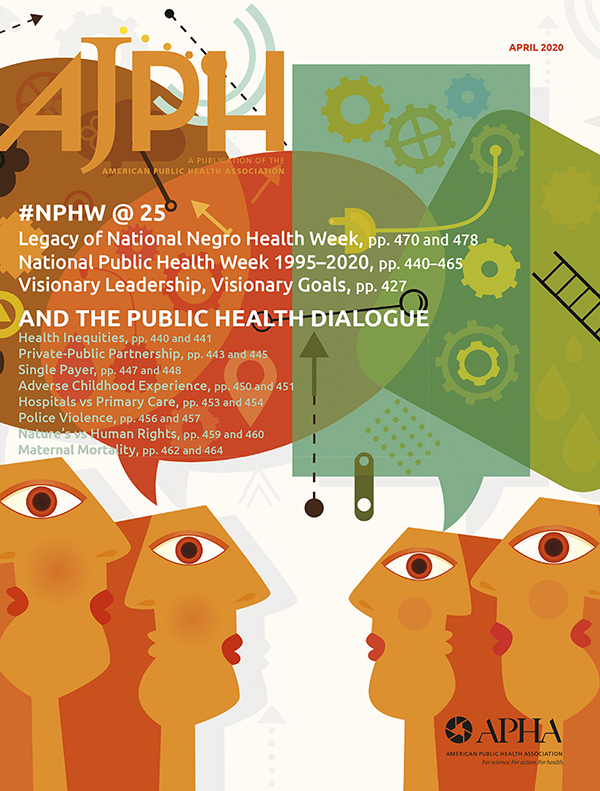
Russian Twitter accounts and the partisan polarization of vaccine discourse, 2015–2017
This study examined the ways in which the personas underlying Twitter accounts operated by the Russian Internet Research Agency (IRA) discussed vaccines between 2015 and 2017. We build on research demonstrating the…
-
TWG: Emphasize Transparency and Accountability of Digital Platforms
Enforcing transparency requirements on digital platforms would be less threatening to free speech rights than regulating harmful content, an analysis finds.

-
Pope Francis and Climate Change Cognition – Supplementary Material
Published May 23, 2017 online in Cognition. Abstract: Previous research suggests that when individuals encounter new information, they interpret it through perceptual ‘filters’ of prior beliefs, relevant social identities, and messenger credibility.…

-
Smoking and Pictorial Warning Labels: What Does the Evidence Show?
Although U.S. legislation mandated the use of pictorial warnings in 2009, efforts to implement the labels by the FDA have been stymied by tobacco-industry court challenges. This issue brief reviews research into the use of graphic or pictorial warning labels on cigarette packages as a means to highlight the risks of this product.

-
Drug Prevention in Schools: Mandatory Random Drug Testing
This issue brief, issued in September 2013 and updated in 2016, reviews what is known about the best ways to prevent drug abuse in middle and high school youth with particular attention to the recent interest in mandatory random drug testing (MRDT).
-
Presidential Debates: What’s Behind the Numbers?
Although audience data have tracked trends in presidential general election debate viewership over the years, they often fail to reveal how much and how many of the debates people actually watch -- and why people do or do not watch the debates. Using multiple research methods, including Nielsen viewership data, a national survey, and focus groups, this white paper answers these questions.
