-
Enduring Extremes? Polar Vortex, Drought, and Climate Change Beliefs
Abstract Some extreme weather events may be more likely to affect climate change beliefs than others, in part because schema individuals possess for different events could vary in encouraging such links. Using…
-
Science Media Monitor Aims to Improve Public Understanding of Science
APPC has launched the Annenberg Science Media Monitor to analyze the content of news reporting on science. The first report focuses on coverage of scientific discovery.

-
Alarm and Response for Emerging Health Threats: Social Media, News and Zika
Social and news media have different associations with risk perceptions and preventive behavior in an emerging health threat such as Zika, according to new research.

-
Legacy and social media respectively influence risk perceptions and protective behaviors during emerging health threats: A multi-wave analysis of communications on Zika virus cases
Abstract Objective Both legacy media, such as television and newspapers, and online social media are potentially important but incompletely understood sources of information in the face of emerging public health risks. This…
-
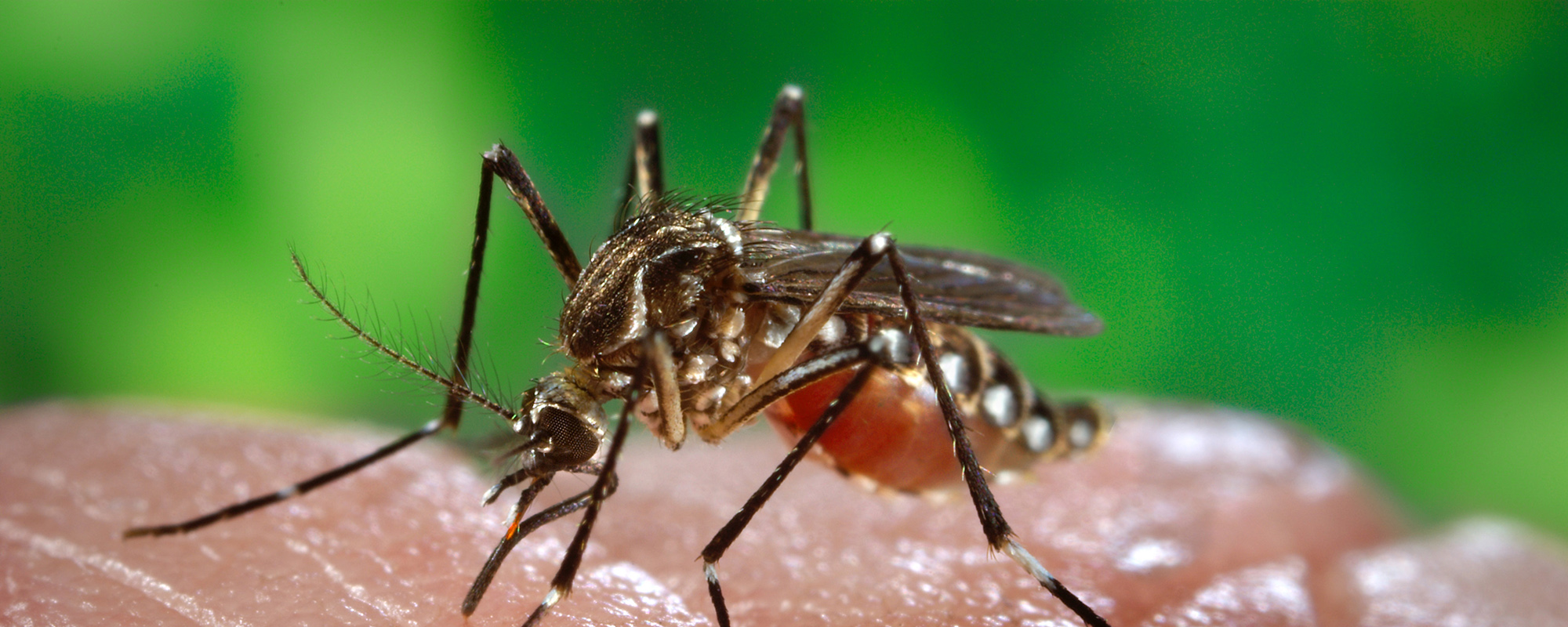
Floridians Took Zika Virus More Seriously Than Rest of U.S., But Most Did Nothing
Threatened by the mosquito-borne Zika virus in 2016, Florida residents were much more likely than non-Floridians to report taking protective measures. Even so, fewer than half of Floridians said they actually did so.
-
Sources affecting knowledge and behavior responses to the Zika virus in US households with current pregnancy, intended pregnancy and a high probability of unintended pregnancy
Abstract Background This study examined the influences of information sources on Zika-relevant knowledge and behaviors in US households containing members who are pregnant, intend to become pregnant, or have a higher probability…
-
Differences Between Florida and the Rest of the United States in Response to Local Transmission of the Zika Virus: Implications for Future Communication Campaigns
Abstract For those at risk for Zika virus infection, prevention requires an approach that includes individual, interpersonal, and community‐level support for behavior change. In August 2016, the announcement of local Zika transmission…

-
Open and transparent research practices and public perceptions of the trustworthiness of agricultural biotechnology organizations
Abstract Public trust in agricultural biotechnology organizations that produce so-called ‘genetically-modified organisms’ (GMOs) is affected by misinformed attacks on GM technology and worry that producers’ concern for profits overrides concern for the…

-
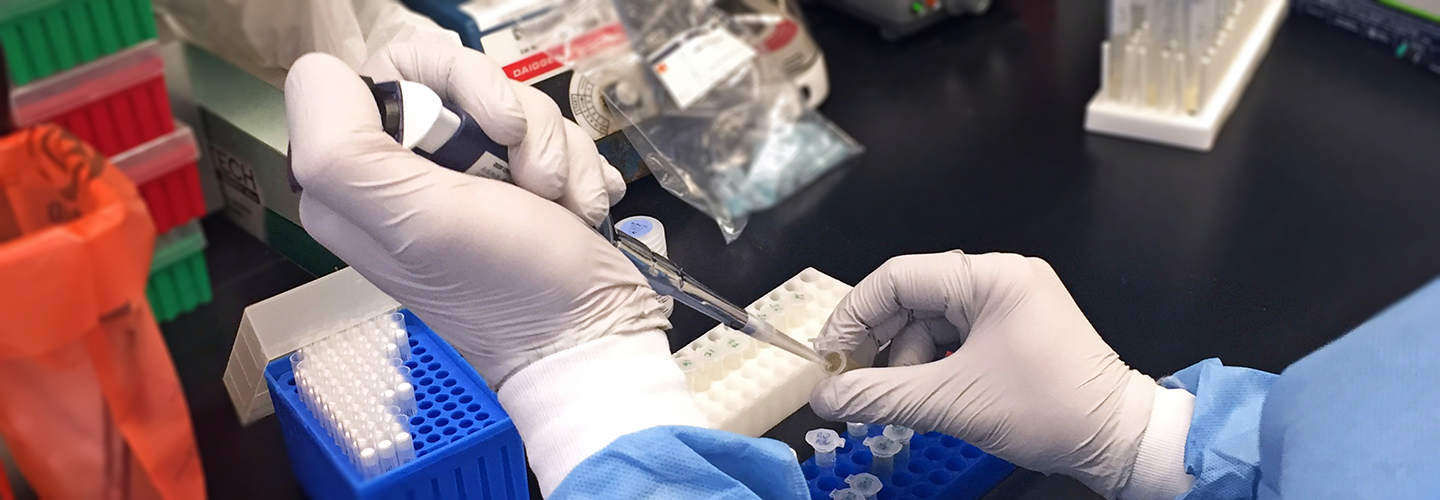
False Beliefs About MMR Vaccine Found to Influence Acceptance of Zika Vaccine
People’s willingness to use a Zika vaccine when it’s available will be influenced by how they weigh the risks associated with the disease and the vaccine, but also by their misconceptions about other vaccines, a new study has found.
-
Crisis or Self-correction: Rethinking How the Media Cover Science
An analysis in PNAS of how the media cover science considers whether scientific self-correction is contributing to a flawed narrative and inadvertently undermining public trust in science.