-
Disentangling longitudinal relations between youth cannabis use, peer cannabis use, and conduct problems: developmental cascading links to cannabis use disorder
Abstract Aims To determine whether cannabis use during adolescence can increase risk not only for cannabis use disorder (CUD) but also for conduct problems, potentially mediated by exposure to peers who use…

-
Guide to Adolescent Mental Health Disorders Available as Free E-book
"Treating and Preventing Adolescent Mental Health Disorders" is now available to researchers, medical practitioners, and the public as a free e-book on Oxford's website.

-
Most Teens Avoid Rash, Impulsive Behavior, Study Finds
Only a subset of teens who engage in excessive levels of impulsive behavior, such as acting without thinking, later struggle with addictions or other problem behaviors, a study has found.

-
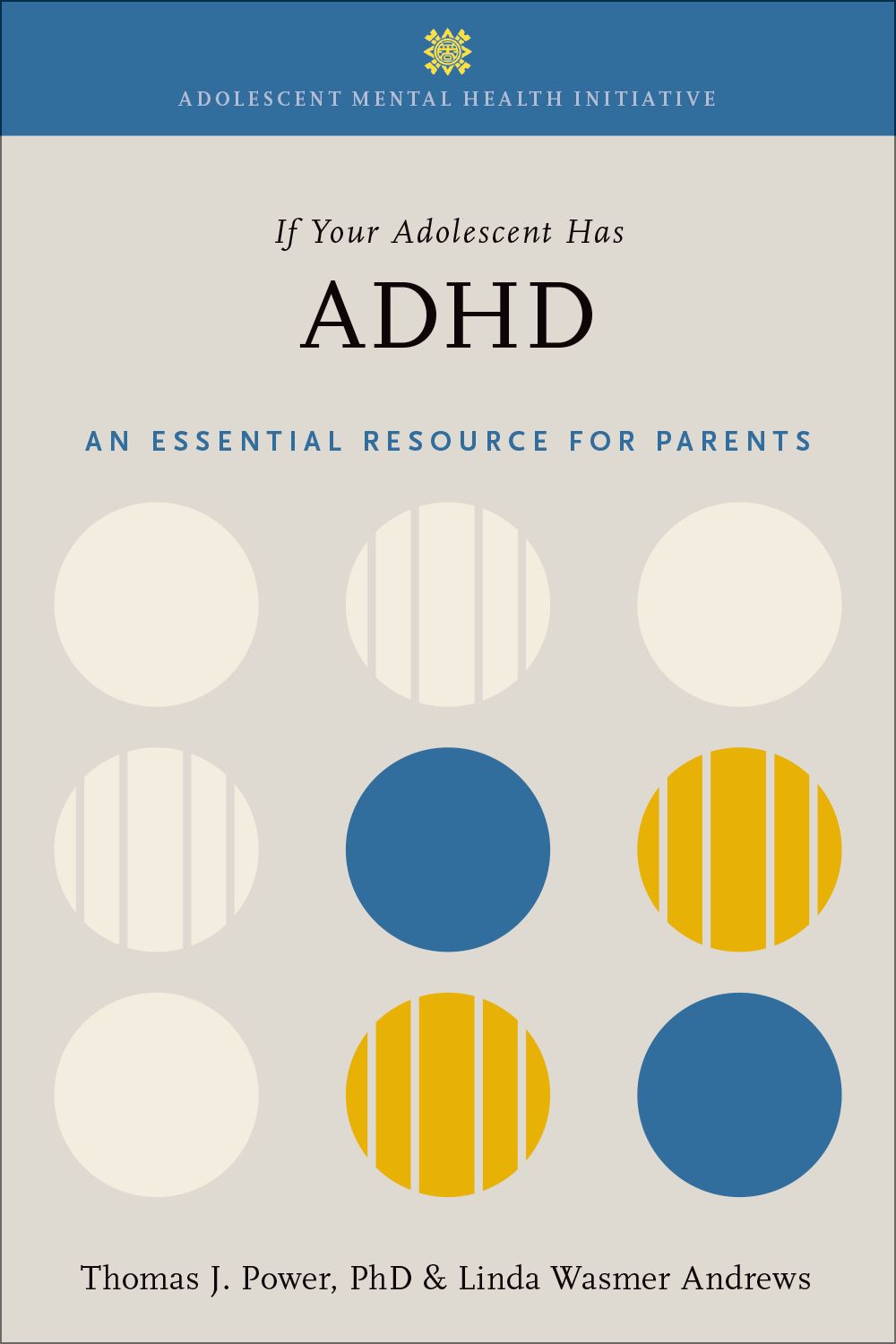
‘If Your Adolescent Has ADHD’ Published by Oxford
'If Your Adolescent Has ADHD,' a supportive guide for parents that uses evidence-based approaches to treatment, is the latest book in a series developed under APPC's guidance.
-
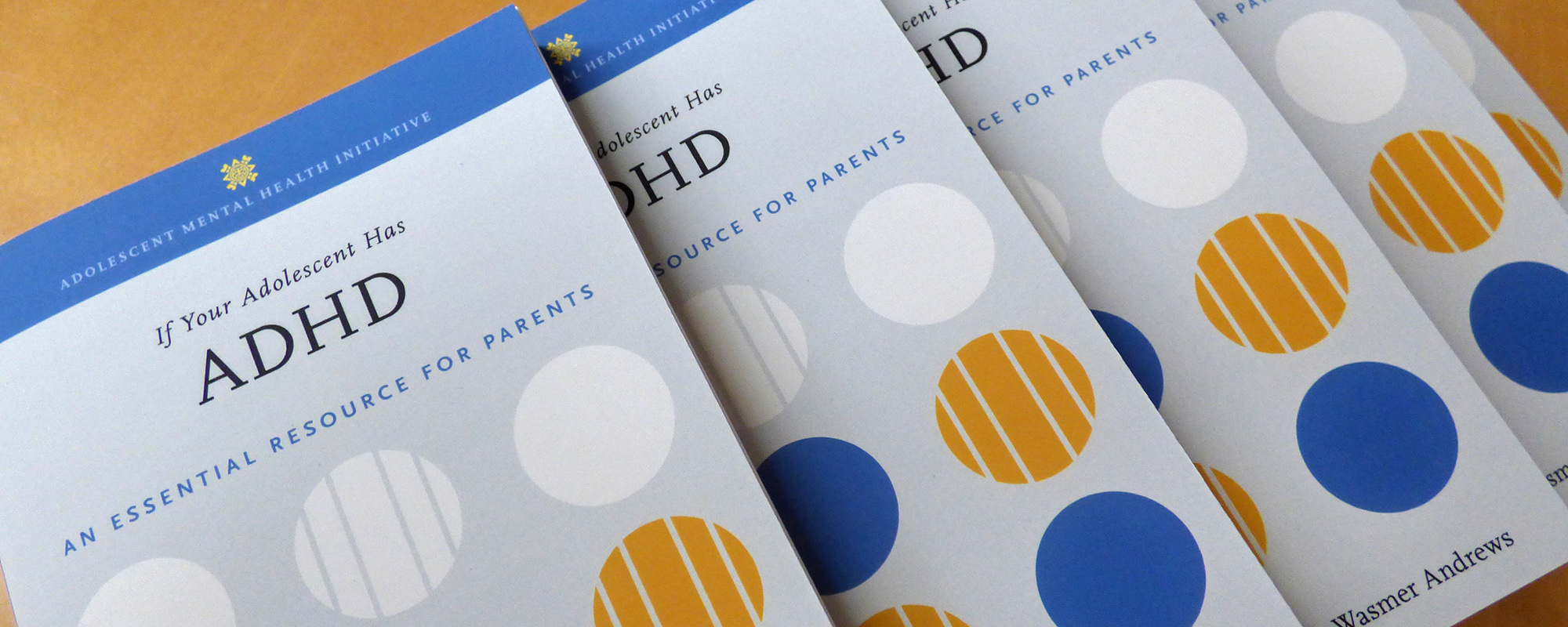
If Your Adolescent Has ADHD
In their new book If Your Adolescent Has ADHD: An Essential Resource for Parents, Thomas J. Power and Linda Wasmer Andrews provide a supportive guide for parents raising an adolescent with attention…
-
Modeling Trajectories of Sensation Seeking and Impulsivity Dimensions from Early to Late Adolescence: Universal Trends or Distinct Sub-groups?
Abstract Developmental imbalance models attribute the rise in risk-taking during adolescence to a universal imbalance between rising reward sensitivity and lagging cognitive control. This study tested predictions of an alternate Lifespan Wisdom…
-
Media Advisory: Recommendations for Reporting on Suicide
For media reporting on the deaths of Kate Spade and Anthony Bourdain, these recommendations for reporting on suicide were developed by mental health, journalism and suicide prevention authorities, including APPC.

-
Suicide Rate is Lower During Holidays, But Holiday-Suicide Myth Persists
Nearly two-thirds of the newspaper stories linking the holidays and suicide over the 2016-17 holiday season supported a false connection between the two, according to an analysis of media coverage.

-
Teens With Weak Attention Skills at Greater Risk of Hazardous Driving
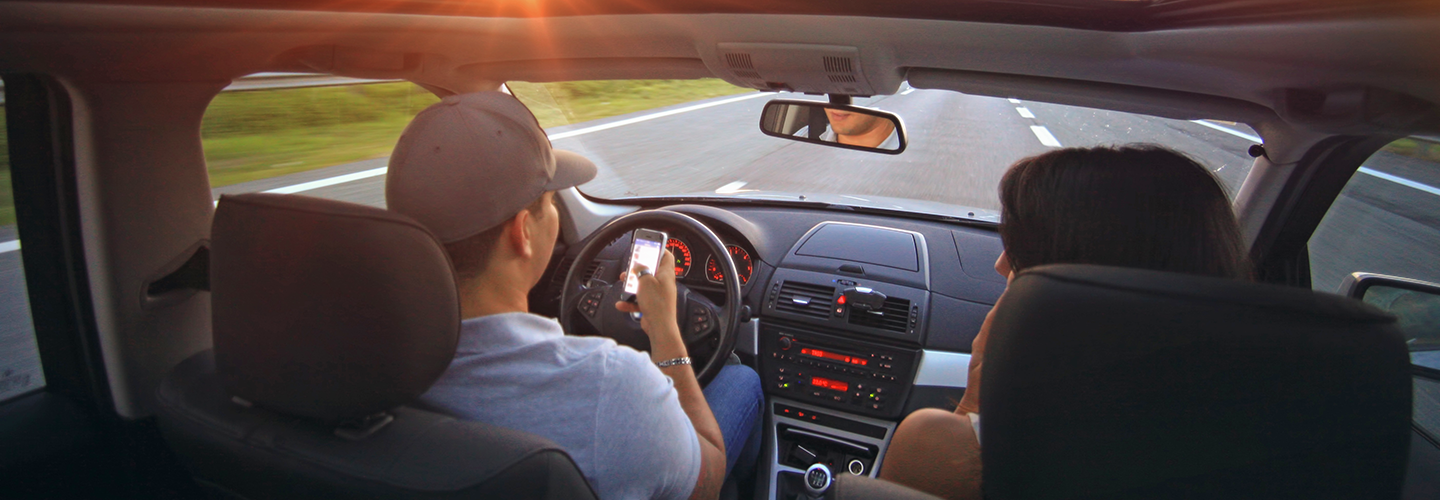
Teenagers with weaknesses in certain processes that are part of executive functioning are at a greater risk of hazardous driving, a literature review from researchers at APPC and CHOP has found.
-
Digital Media and Risks for Adolescent Substance Abuse and Problematic Gambling
Digital media provide increased opportunities for both marketing and social transmission of risky products and behavior. We briefly review what is known about adolescent exposure to favorable presentations of addictive substances, such as alcohol, tobacco, and marijuana, as well as behaviors such as gambling, on social and other online media. Our understanding of these influences and whether they require greater regulation is still developing, and recommendations for future research to address these gaps in our understanding are described.