-
Curiosity About Science Helps to Offset Political Biases
Science curiosity appears to counteract people’s tendency to seek out only information that supports their political biases, according to a new study finding that people who are science-curious are more willing to grapple with surprising information.

-
Framing by Political Advocacy Groups May Jeopardize Public Understanding of Zika
The public’s ability to understand the dangers posed by Zika virus may be jeopardized by advocacy groups linking the virus with culturally charged issues such as illegal immigration and global warming, the authors of a new study warn.

-
Overcoming ‘End-Point Bias’: Liberals, Fox News and Arctic Sea Ice Trends
Even liberals and moderates who are more likely than conservatives to be suspicious of Fox News can be influenced by a misleading article on FoxNews.com about Arctic sea ice trends, researchers found.

-
National Academy of Sciences President Marcia McNutt Delivers 2016 Annenberg Lecture
How do science communicators most effectively present research to multiple audiences interested in different aspects of it? Such questions provided the framework of the 2016 Annenberg Lecture delivered by Marcia McNutt, president of the National Academy of Sciences.

-
News Sources, Political Ideology, and Media Coverage of the 2014 Walrus Haul-Out
In 2014, 35,000 walruses crowded ashore on an Alaskan beach instead of resting on ice floes. In a newly published case study, researchers studied TV news coverage of the walrus "haul-out" and people's selective exposure to it.

-
Pope’s Encyclical Did Not Raise Broad Public Concern Over Climate Change
Pope Francis’ 2015 encyclical on the environment, “Laudato Si’,” did not rally broad public support for climate change among Catholics and non-Catholics, according to a new study from researchers at the Annenberg Public Policy Center.

-
Science Magazine Essay on Need for Basic Research Cites APPC’s Work
An essay in Science magazine this month defends the vital importance of basic scientific research and references the work of the policy center's science communication program in advancing that message.

-
Most in Florida Favor Use of Genetically Modified Mosquitoes to Fight Zika
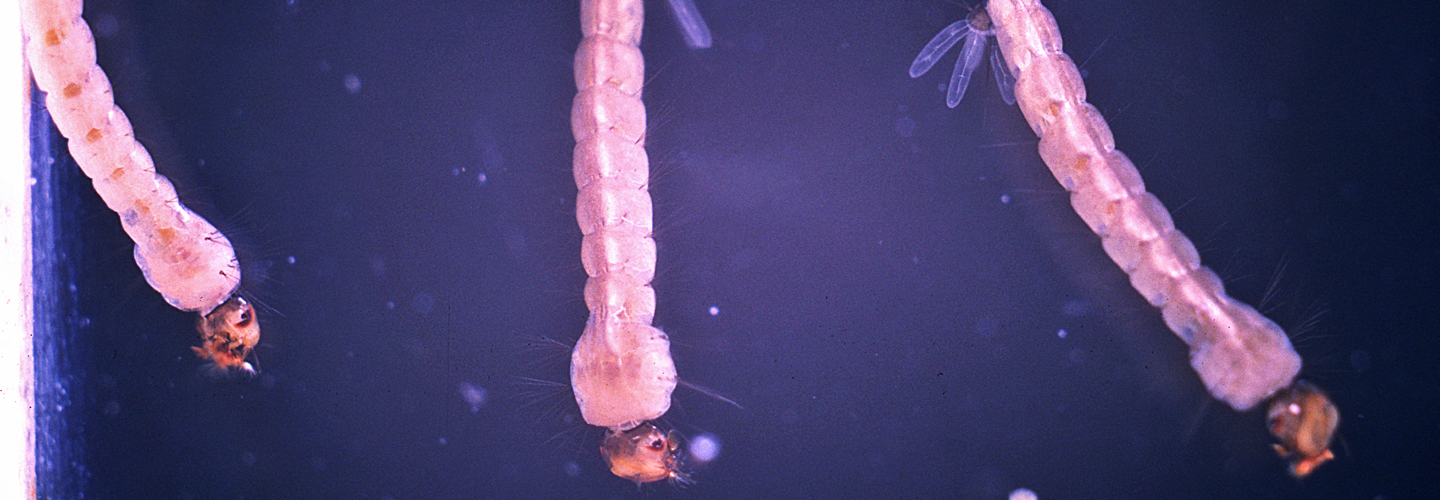
Most Floridians favor the use of genetically modified mosquitoes to fight the spread of Zika virus and are significantly more likely to approve of it than people who live outside Florida, the Annenberg Science Knowledge survey has found.
-
How the Media Can Better Inform the Public About Zika
Many Americans hold mistaken beliefs about Zika virus. To help provide the public with accurate information, the policy center has released a free "A Guide to Effective Zika Coverage" for writers, editors, reporters and broadcasters.

-
Jamieson Speaks on Communicating in a Polarized Environment
APPC director Kathleen Hall Jamieson addressed the annual meeting of the Midwestern Legislative Conference, in Milwaukee, on "Effective Communication in a Polarized Environment."