-
SciCheck Receives Additional Funding, Names New Science Writer
FactCheck.org announced that its SciCheck initiative has received funding from the Stanton Foundation to continue fact-checking science-based political claims through the 2016 campaign.
-
Visiting Scholar and Former WHYY News Executive Join Policy Center
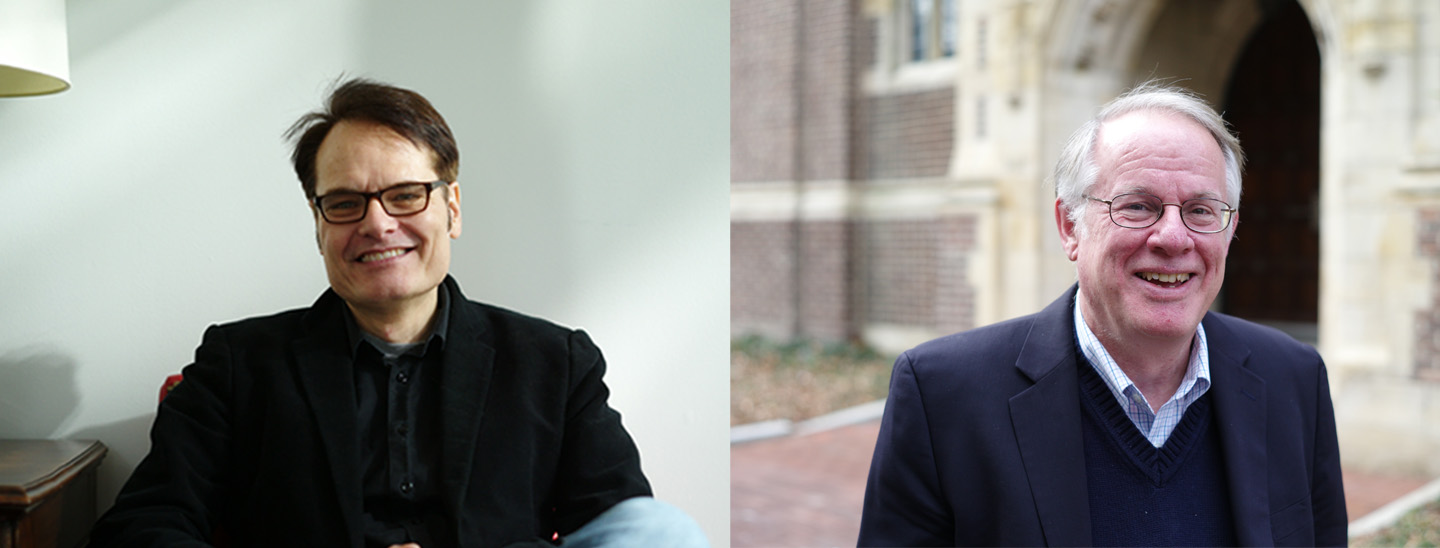
Yale University law and psychology professor Dan Kahan, and the former top news executive at WHYY/NewsWorks, Chris Satullo, have joined the policy center for the spring semester.
-
FactCheck.org Recaps the Year in False Claims About Climate Change: Story and Video
In light of the historic climate deal made at the United Nations' Conference of the Parties in Paris, FactCheck.org has compiled a recap of misleading and false claims about climate change that were investigated in 2014-2015.
-
Scheufele Named to National Academies Panel on Human Gene Editing
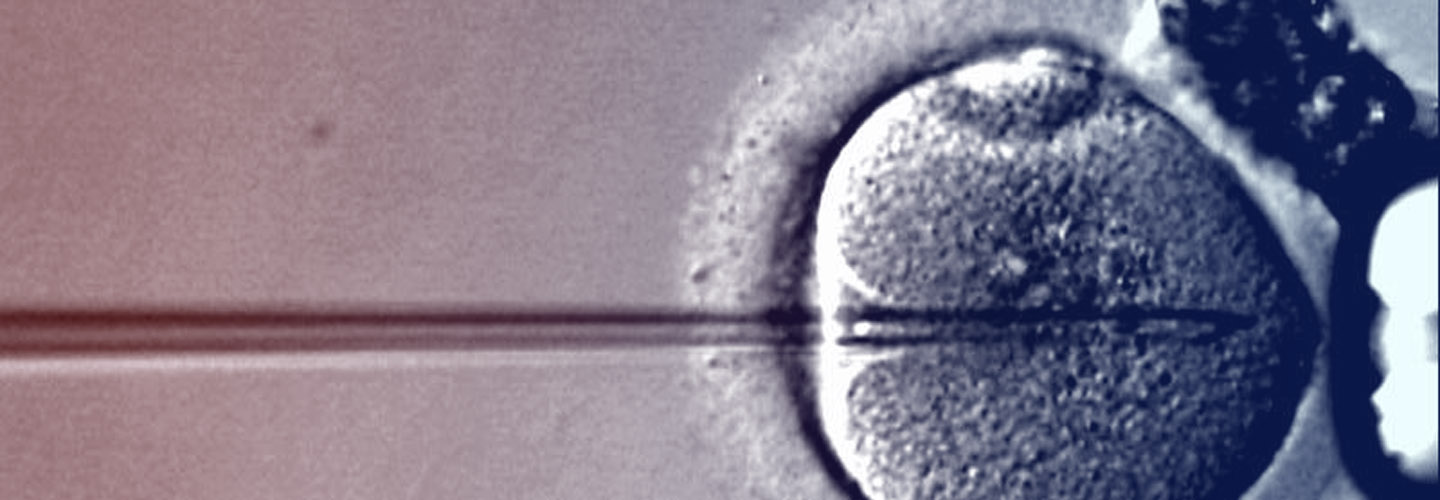
Annenberg Public Policy Center visiting scholar Dietram A. Scheufele has been appointed to a committee of the National Academies of Sciences, Engineering, and Medicine that will study the wide-ranging implications of human gene editing and make recommendations for future research and practices.
-
Less Ice, More Water in Arctic Ocean by 2050s
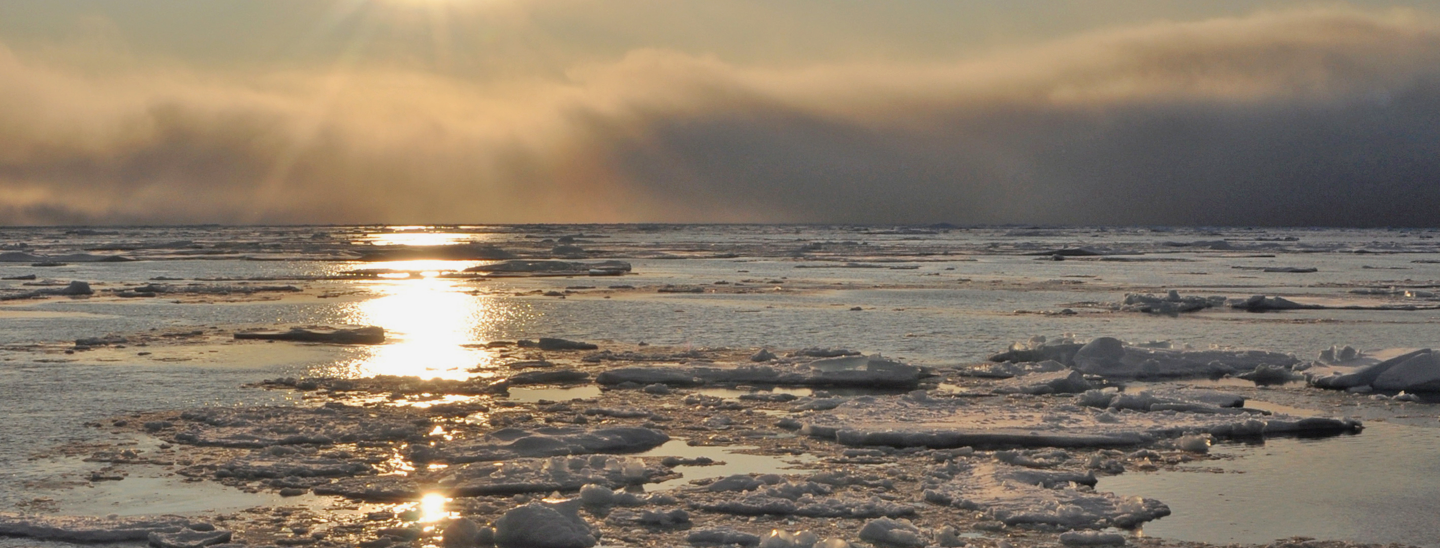
By the 2050s, parts of the Arctic Ocean once covered by sea ice much of the year will see at least 60 days a year of open water, according to a new modeling study led by a University of Colorado Boulder researcher now at APPC.

-
Book to Examine Current Issues in the Science of Science Communication
At a time when the scientific consensus on critical issues such as vaccinations and climate change is being called into question, a comprehensive new handbook will examine the current state of the science of science communication.

-
Policy Center Hosts American Academy Discussion on Public Face of Research
The public's view of scientific research was the focus of an American Academy of Arts & Sciences round table discussion hosted by the Annenberg Public Policy Center in October.

-
Communicating the Value and Values of Science
When science communicators violate science’s norms, they invite the audience to question whether the underlying science has done the same. And when science communication forsakes the values of science, it increases the likelihood that bad science will affect the public and public policy, feed suspicion about scientists’ self-interests or conspiratorial motives, confuse the public and muddy the policy debate.

-
Kathleen Hall Jamieson Speaks on the ‘Attack on Fact in Politics’
In two addresses to groups with the Council of State Governments Eastern Regional Conference, Kathleen Hall Jamieson spoke about the attack on fact in politics, and challenges facing the scientific community and the implications for state legislative policy.
-
Visiting Scholar Dietram Scheufele and Postdoctoral Fellows Join Policy Center
Communication scholar Dietram A. Scheufele from the University of Wisconsin-Madison has joined the Annenberg Public Policy Center as a Visiting Scholar this fall. Seven postdoctoral fellows also have joined APPC, most researching the science of science communication.