-
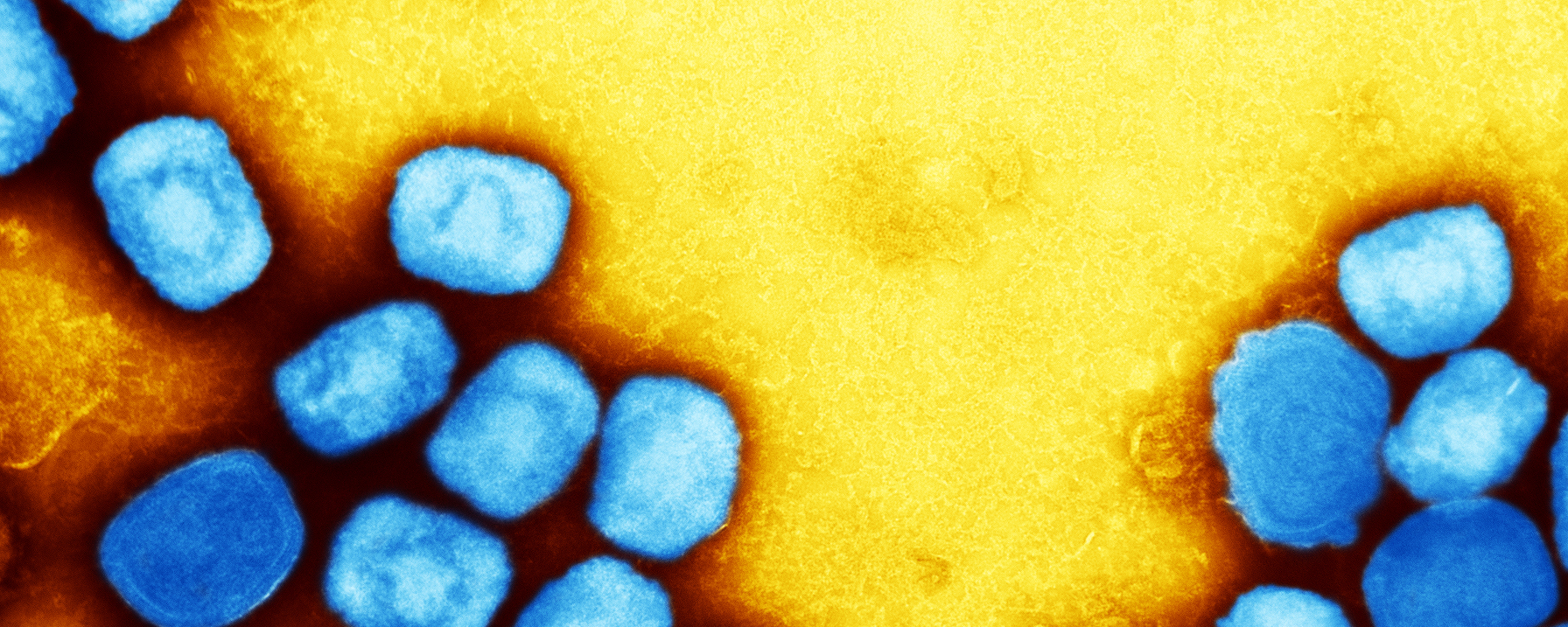
Public Knowledge of Monkeypox Increases But Over 1 in 4 Unlikely to Get Vaccinated if Exposed
A survey shows public knowledge about monkeypox has increased rapidly in recent weeks, though misconceptions and uncertainty persist.
-
‘Creating Conspiracy Beliefs’ Explores Fear, Anxiety, Media, Social Interactions
"Creating Conspiracy Beliefs: How Our Thoughts Are Shaped" (Cambridge University Press), by researchers at the University of Pennsylvania and Western Illinois University, investigates influences on conspiracy beliefs.

-
How Conspiracy Theorists Exploited Covid-19 Science
Throughout the Covid-19 pandemic, conspiracy theorists have exploited the conditional nature of science and questioned the trustworthiness and motives of federal agencies and officials to depict scientists and health authorities as malign actors.

-
Conspiratorial thinking, selective exposure to conservative media, and response to COVID-19 in the US
Previous research has shown that during the early months of the COVID-19 pandemic in the US, users of conservative media were more likely to accept conspiracy theories about the pandemic and less…
-
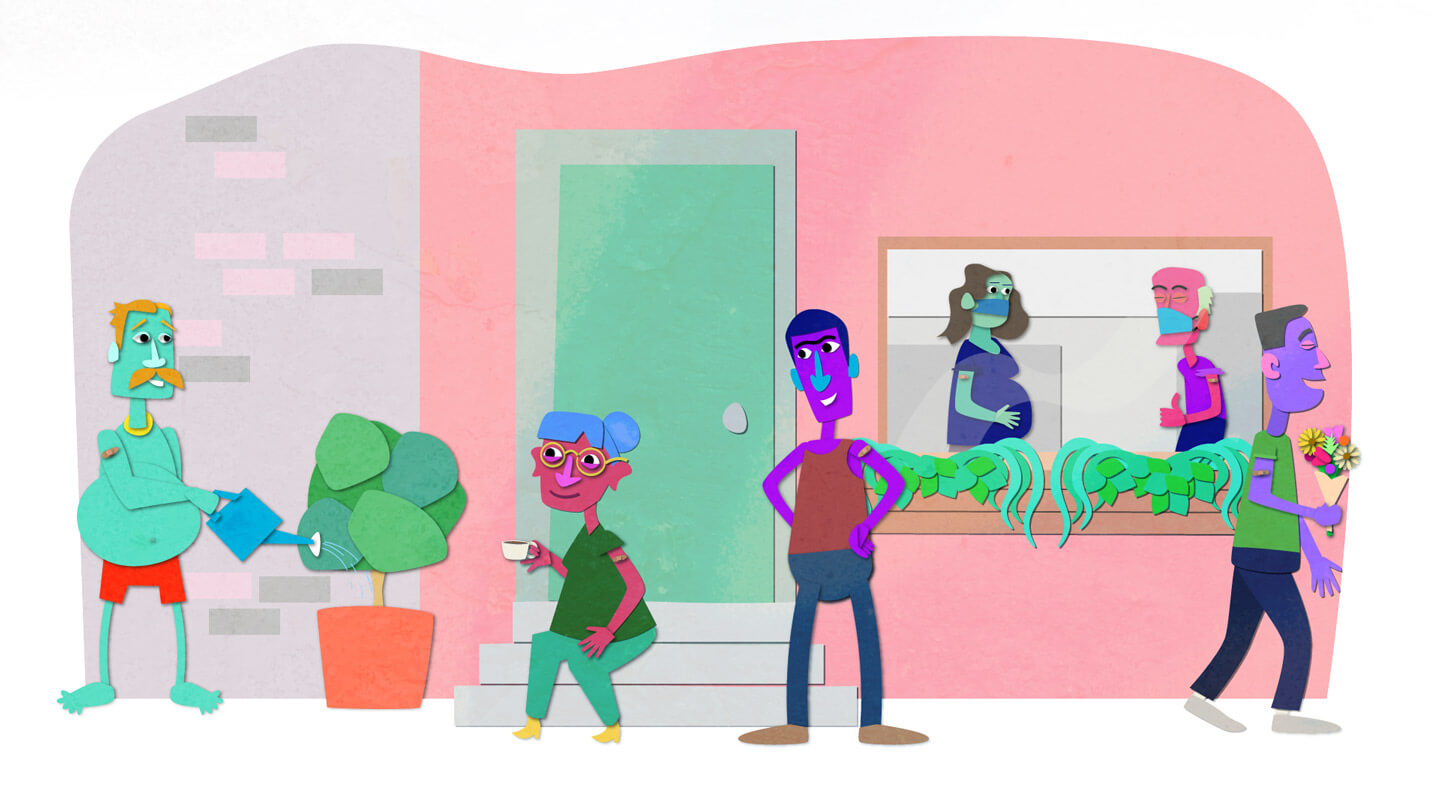
COVID-19 Risk, Prevention and Treatment
The "Guide for Understanding How to Protect Yourself and Your Community" from COVID-19 offers valuable information about the disease and its origin, transmission, virulence, prevention and treatments.
-
APPC in New Collaboration to Counter Misinformation Online
APPC and FactCheck.org are part of an NSF-funded collaboration to counter misinformation online by narrowing the gap between research and response.
-
COVID-19 Conspiracy Beliefs Increased Among Users of Conservative and Social Media
COVID-19 conspiracy beliefs increased in the early months of the pandemic among heavy users of conservative and social media, APPC research shows.

-
Conspiracy theories as barriers to controlling the spread of COVID-19 in the U.S.
Rationale: The COVID-19 pandemic poses extraordinary challenges to public health. Objective: Because the novel coronavirus is highly contagious, the widespread use of preventive measures such as masking, physical distancing, and eventually vaccination…
-
Belief in Conspiracy Theories Is a Barrier to Controlling Spread of COVID-19
Belief in COVID-19 conspiracy theories predicts resistance to future COVID-19 vaccination and preventive behaviors such as mask-wearing, a new study by APPC researchers has found.