-
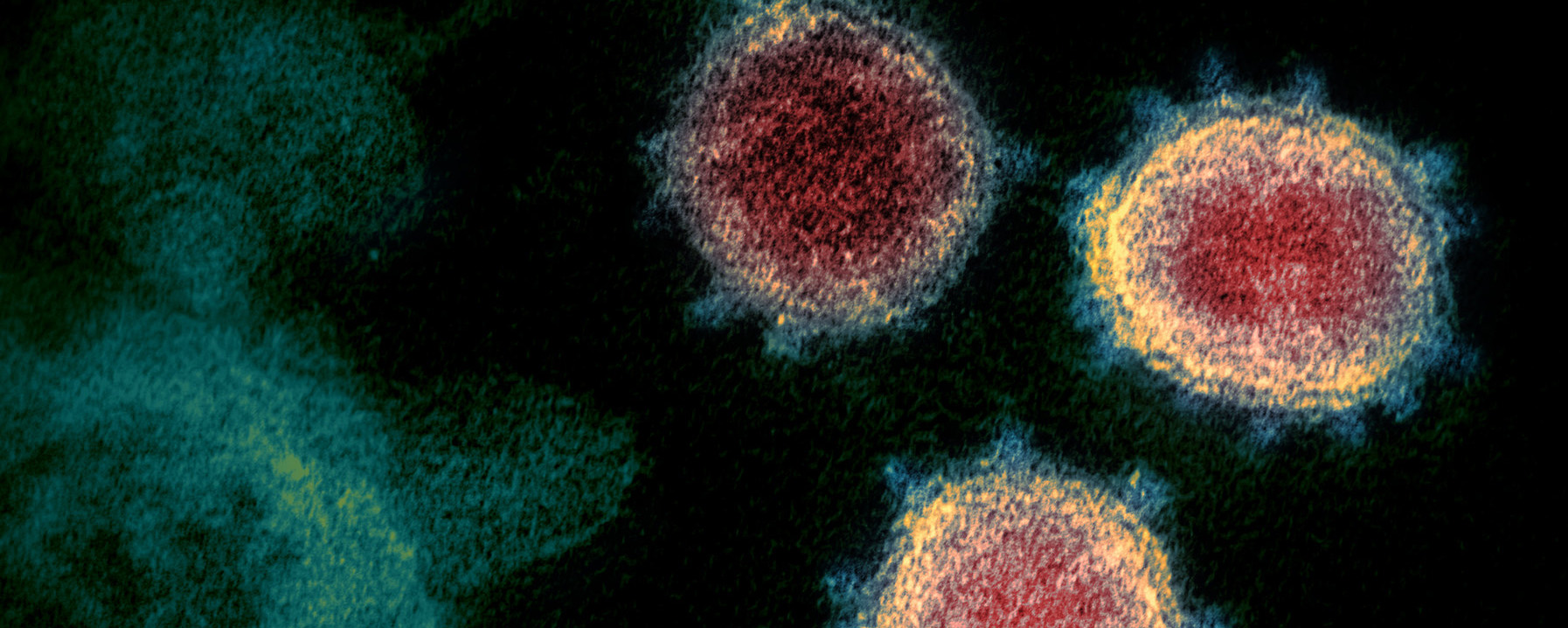
Public Trust in CDC, FDA, and Fauci Holds Steady, Survey Shows
The top U.S. health agencies retain the trust of the vast majority of the American public, as does Dr. Anthony Fauci, the public face of U.S. efforts to combat the virus, according to a new APPC survey.
-
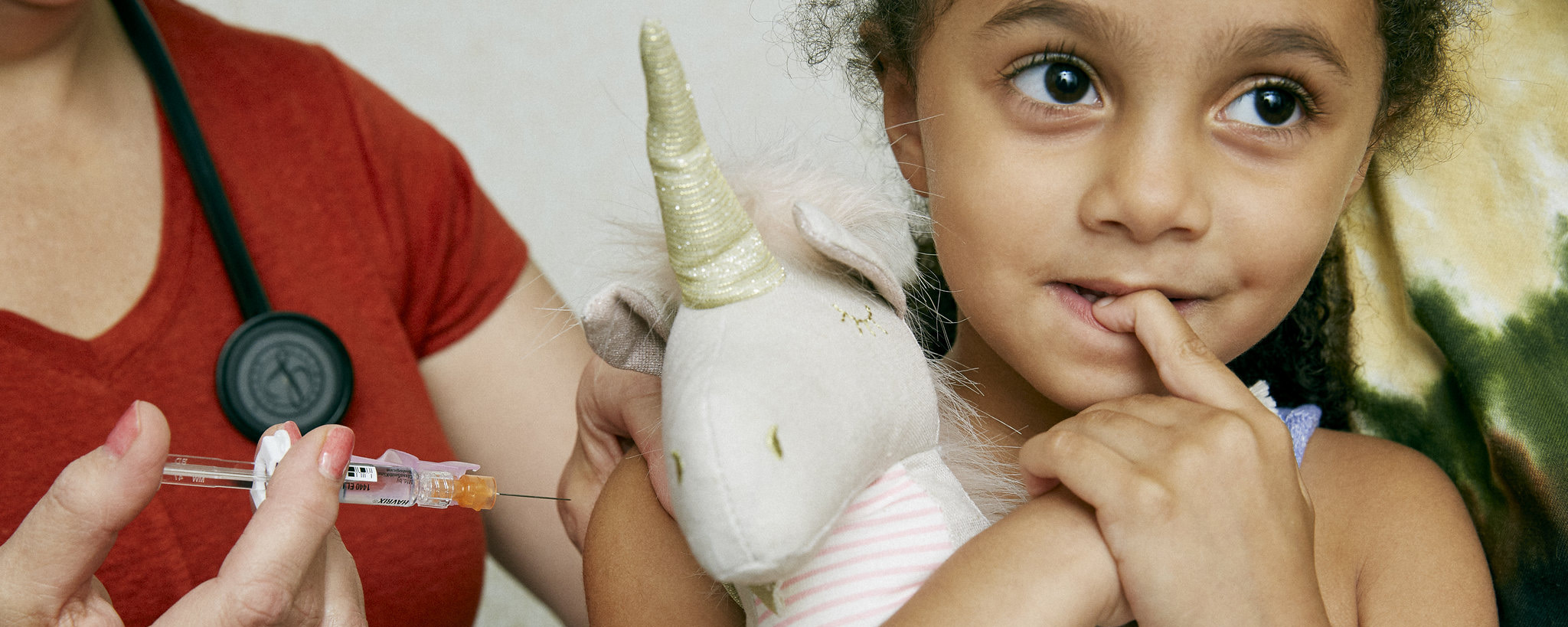
Vaccine Science and Side Effects: How News Messages Affect Views on Vaccination
News coverage of expert scientific evidence about vaccine safety increases public acceptance of vaccines, but the effect is diminished when that message is juxtaposed with a narrative about real side effects.
-
Controversy Continues Over ‘13 Reasons Why’ and Adolescent Suicide
APPC stands by its reanalysis showing no clear effect on adolescent suicide from the first season of the Netflix series "13 Reasons Why."

-
Virtual Driving Assessment Shows Feasibility as Part of Licensing Process
Children’s Hospital of Philadelphia and APPC researchers have demonstrated the feasibility of incorporating a virtual driving assessment system into the driver’s licensing process in Ohio.

-
No Clear Evidence of Increase in Adolescent Suicide After ‘13 Reasons Why’
Contrary to a 2019 study, a data reanalysis found no evidence of an increase in adolescent suicide rates after the release of Netflix's "13 Reasons Why."

-
Guide to Adolescent Mental Health Disorders Available as Free E-book
"Treating and Preventing Adolescent Mental Health Disorders" is now available to researchers, medical practitioners, and the public as a free e-book on Oxford's website.

-
Scientists: Engage with the Public but ‘Choose Your Audiences Wisely’
APPC researchers urge scientists to engage with the public on scientific issues but caution them to carefully choose their audiences and avoid two-sided debates explicitly framed as conflicts.

-
Overcoming the Effects of Selectively Presented Scientific Information in Partisan Media
Scientists can minimize the likelihood that their message will be rejected in a politically polarized environment by avoiding advocacy, relying on trusted sources, and inviting the audience to understand the evidence that justifies the scientific conclusion, according to a new study by Annenberg Public Policy Center researchers published in the Proceedings of the National Academy of Sciences. It showed that conservatives were able to draw the correct inferences about the downward trend in the Arctic sea ice despite exposure to a misleading Fox News report.

-
Q&A: Visiting scholar Olga Kamenchuk on public polling and international research
Olga Kamenchuk, Ph. D., is a visiting scholar from the Moscow State University of International Relations, where she chairs the Sociology of Mass Communication department. She talks about her public polling work at VCIOM, the leading Russian opinion research center, her international research interests, and her work at APPC.

-
Q&A: Visiting scholar Karin Fikkers on Penn and her media violence and youth studies
Doctoral candidate Karin Fikkers, from the University of Amsterdam, has been studying at the Annenberg School for Communication this winter as part of an exchange program with the Amsterdam School of Communication Research. She talks about her research and the differences between studying in the Netherlands and the United States.