-
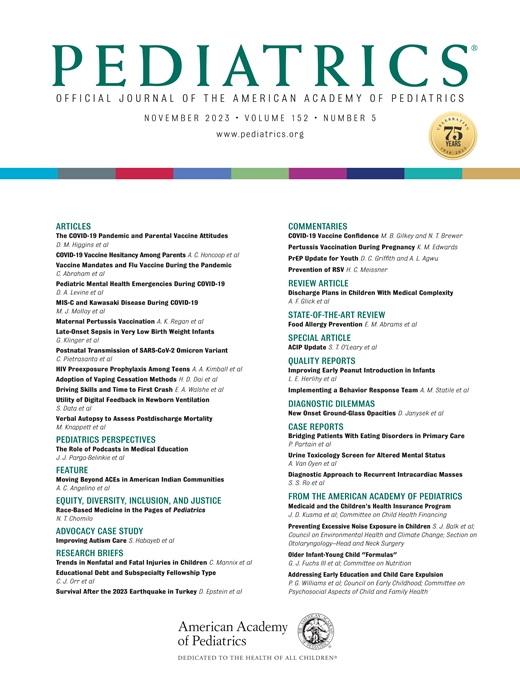
Letter to the Editor: Response to Niederkrontenthaler et al.
I appreciate the opportunity to respond to the concerns raised by Niederkrotenthaler et al. regarding my reanalysis of increases in adolescent suicide attributable to the Netflix series 13 Reasons Why. I respond to their…

-
Driving Skills at Licensure and Time to First Crash
BACKGROUND AND OBJECTIVES Young drivers are overrepresented in crashes, and newly licensed drivers are at high risk, particularly in the months immediately post-licensure. Using a virtual driving assessment (VDA) implemented in the…
-
Record-breaking heat days disproportionately influence heat perceptions
Abstract From heat waves to hurricanes, tangible weather experiences have been shown to strengthen personal belief in climate change. We ask whether a high temperature day that breaks local heat records—which is…

-
Factors Assessing Science’s Self-Presentation model and their effect on conservatives’ and liberals’ support for funding science
Significance This study identifies five factors assessing perceptions of facets of science/scientists’ self-presentation (FASS) that can be used to track gaps between science/scientists’ professed and perceived self-identity, spot areas that may require…

-
Editorial: Adolescent storm and stress: a 21st century evaluation
Introduction Adolescence, a period covering ~10–18 years of age, has long been characterized as a time of “storm and stress”. The characterization entered psychology from research on adolescent development done by Hall…

-
Media influences on children and advice for parents to reduce harmful exposure to firearm violence in media
Key points Firearm violence is a major concern for young people today, with a recent poll showing greater concern for gun violence (51%) than for abortion (47%) or climate change (37%). Young…
-
A meta-analysis of correction effects in science-relevant misinformation
Abstract Scientifically relevant misinformation, defined as false claims concerning a scientific measurement procedure or scientific evidence, regardless of the author’s intent, is illustrated by the fiction that the coronavirus disease 2019 vaccine…

-
The role of conspiracy mindset in reducing support for child vaccination for COVID-19 in the United States
Abstract Introduction: We have previously proposed and tested a model that predicts reluctance to vaccinate against COVID-19 in the US from embrace of a conspiracy mindset that distrusts the federal health agencies of…
-
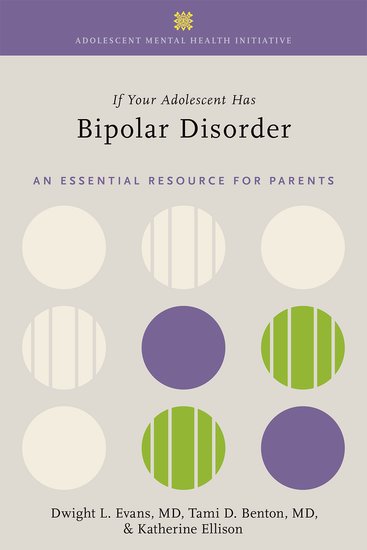
If Your Adolescent Has Bipolar Disorder: An Essential Resource for Parents
The authoritative guide to understanding and helping a teenager with bipolar disorder. While coping with teenage moodiness can be difficult under any circumstances, it can be especially challenging if a teenager has…
-
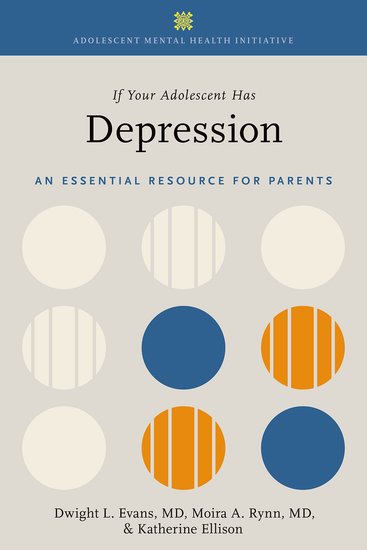
If Your Adolescent Has Depression: An Essential Resource for Parents
The authoritative guide to understanding and helping a teenager with depression. While coping with teenage moodiness can be difficult under any circumstances, it can be especially challenging if a teenager has a…