-
Despite Increase in U.S. Cases, Worry About West Nile Virus Remains Low
Despite the growing number of cases of West Nile virus, few in the U.S. worry about contracting it, an Annenberg survey finds. Nearly half of those surveyed are unsure what the symptoms are of the disease.

-
Public Confidence in U.S. Health Agencies Slides, Fueled by Declines Among Democrats
An APPC survey finds that public confidence in U.S. health and science agencies has dropped since the inauguration of President Donald Trump.
-
Most Americans Favor MMR Vaccine Requirement for Public School
A 2025 Annenberg survey found that 70% of U.S. adults support an MMR vaccine requirement for healthy children to attend public school.

-
Public Knowledge High on Smoking and Alcohol Risks During Pregnancy
According to a new Annenberg Public Policy Center survey, most people are uncertain about which vaccinations are safe and recommended for pregnant people.

-
AI Used for Real-Time Selection of Actionable Messages for Government and Public Health Campaigns
A new study by APPC scholars suggests that artificial intelligence can facilitate theory- and evidence-based public health message selection.
-
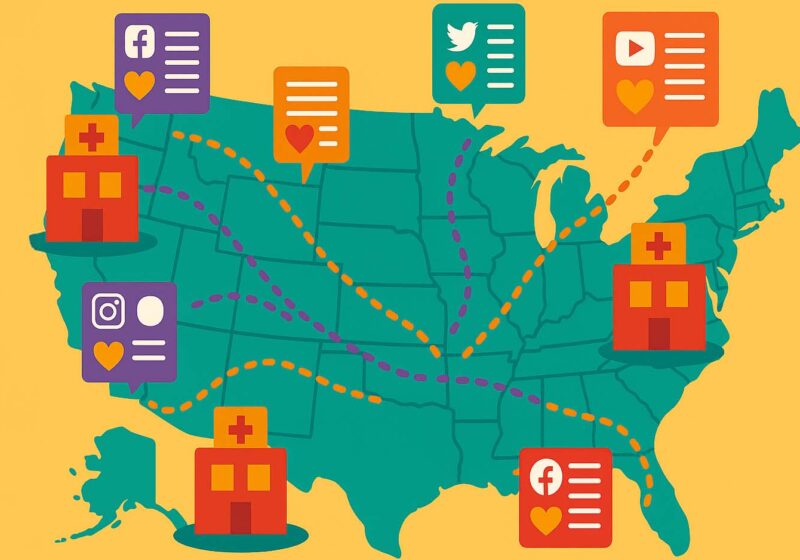
Many in U.S. Consider AI-Generated Health Information Useful and Reliable
An APPC health survey finds that 6 in 10 Americans think that AI-generated health information is somewhat or very reliable.

-
Survey Finds Some Confusion Over Mammogram Guidelines
Although mammograms can detect breast cancer before symptoms begin, APPC survey data reflects some confusion over when American women think they should start receiving regular mammograms.

-
Public Perceptions of AI Science and Scientists Relatively More Negative but Less Politicized Than General and Climate Science
Abstract Using a weighted 2023–2025 national probability panel of US adults, we compared the perceived Credibility, Prudence, Unbiasedness, Self-Correction, and Benefit (i.e. Factors Assessing Science’s Self-Presentation [FASS]) of AI scientists with those…

-
AI Perceived More Negatively than Climate Science or Science in General
Driven by the worry that AI may have unintended consequences, the public's attitudes toward AI science are more negative than those toward general and climate science, APPC researchers find.

-
Many Americans Unaware High Blood Pressure Usually Has No Noticeable Symptoms
APPC survey reveals that, despite reported concern about high blood pressure, few Americans can correctly identify “high" readings.