-
New White Paper Analyzes U.S. Vaccine Safety Monitoring System and Suggests Improvements
In an APPC white paper, biostatistician and Penn Professor Jeffrey Morris analyzes the U.S. vaccine safety monitoring system and offers ways to improve VAERS and other components.

-
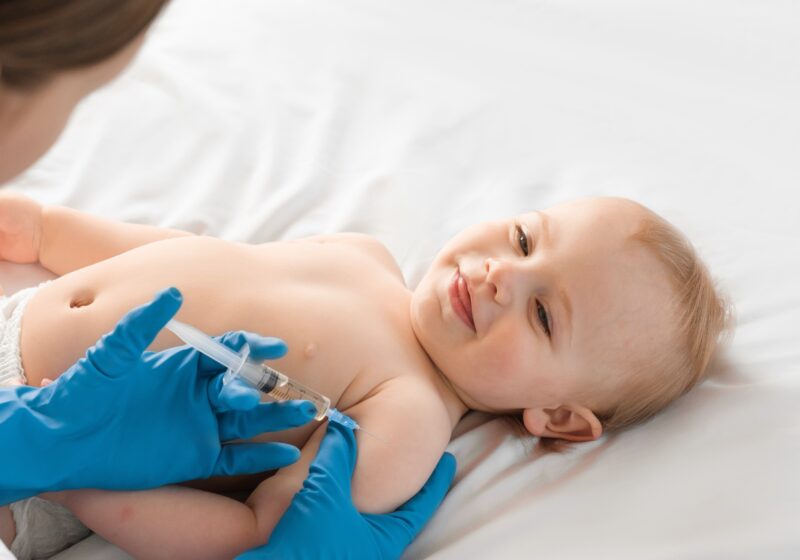
Although Public Overwhelmingly Supports Hepatitis B Vaccine for a Newborn, Partisan Differences Exist
Most Americans would be likely to recommend the hepatitis B vaccine for a newborn, according to a new APPC survey.
-
New HIV Mapping Tool Helps Public Health Workers Track and Predict HIV Outbreaks
Researchers from Penn's Social Action Lab, including PIK Professor Dolores Albarracín, have created a tool to help public health workers predict HIV outbreaks.

-
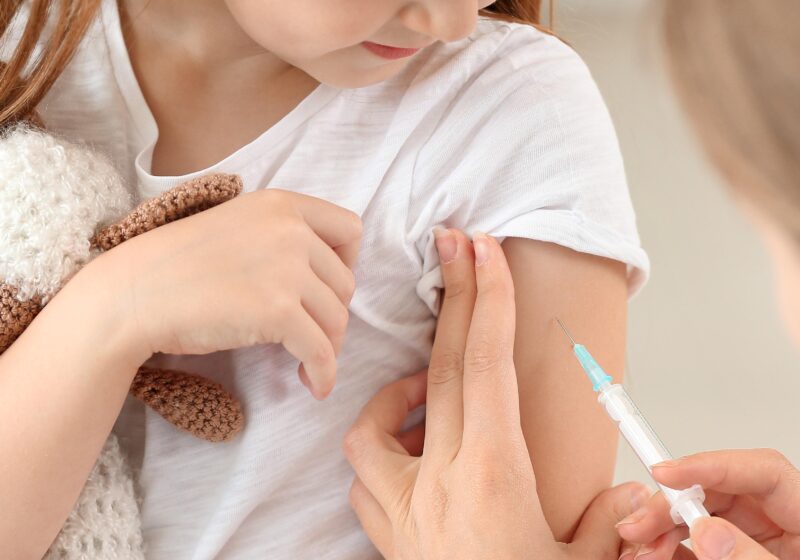
Americans More Likely to Accept Guidance from AMA than CDC on Vaccine Safety
By a 2-1 margin, Americans are more likely to accept guidance on vaccine safety from the American Medical Association (AMA) than the Centers for Disease Control and Prevention (CDC), an Annenberg survey finds.
-
Using a mental model approach to undercut the effects of exposure to mRNA vaccination misconceptions: Two randomized trials
Abstract Although messenger RNA (mRNA) technology revolutionized vaccine creation, its use is threatened by unwarranted fear that DNA left over from the vaccine manufacturing process could integrate into recipients’ DNA, increasing cancer…

-
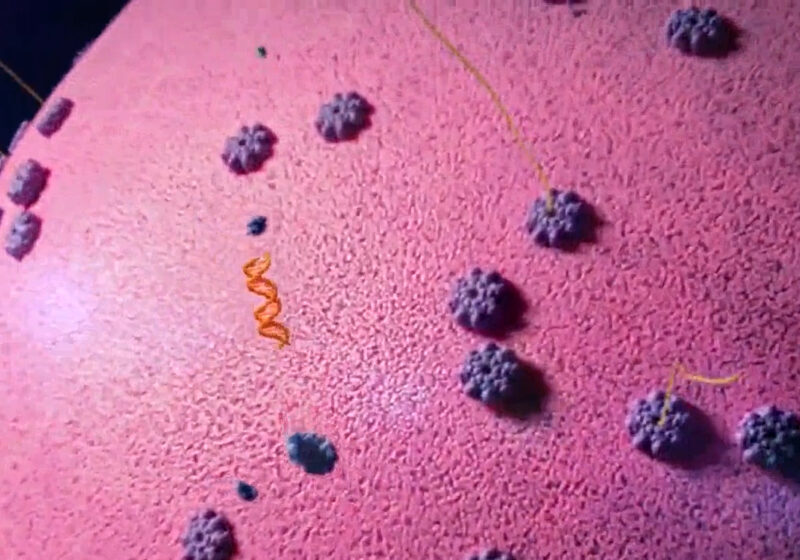
‘Mental Model’ Approach Shows Promise in Reducing Susceptibility to Misconceptions About mRNA Vaccination
Showing people a "mental model" of scientific concepts may help undercut vaccine-related misconceptions, according to new APPC research published in PNAS.
-
Brain Activity Reveals What Makes Persuasive Messages Stick
A study by the Communication Neuroscience Lab and others finds that activity in brain regions associated with reward and social processing can predict messages' effectiveness.

-
Brain activity explains message effectiveness: A mega-analysis of 16 neuroimaging studies
Abstract Persuasive communication in marketing, political, and health domains influences sales, elections, and public health. We present a mega-analysis (a pooled analysis of raw data) of 16 functional MRI datasets (572 participants,…
-
Public Not Highly Knowledgeable About Safety of MMR Vaccine or Risks of Getting Measles
An APPC survey finds public support of the MMR vaccine has declined since November 2024, and the public is confused about whether HHS Secretary RFK Jr. recommends the MMR vaccine.

-
Under Half in U.S. Would Recommend Some Routine Vaccinations During Pregnancy
APPC survey reveals a reluctance among the public to recommend that someone who is pregnant receive certain routine vaccinations.