-
Confidence in Science Remains High, But Public Questions Adherence to Science’s Norms
Confidence in science remains high but has declined in the past few years, with just 42% saying scientists can overcome their biases.

-
Improving Public Understanding of the Vaccine Adverse Event Reporting System (VAERS)
In JAMA, 3 Penn scholars advocate for renaming of the Vaccine Adverse Event Reporting System (VAERS) and improving public understanding of the vaccine surveillance system.

-
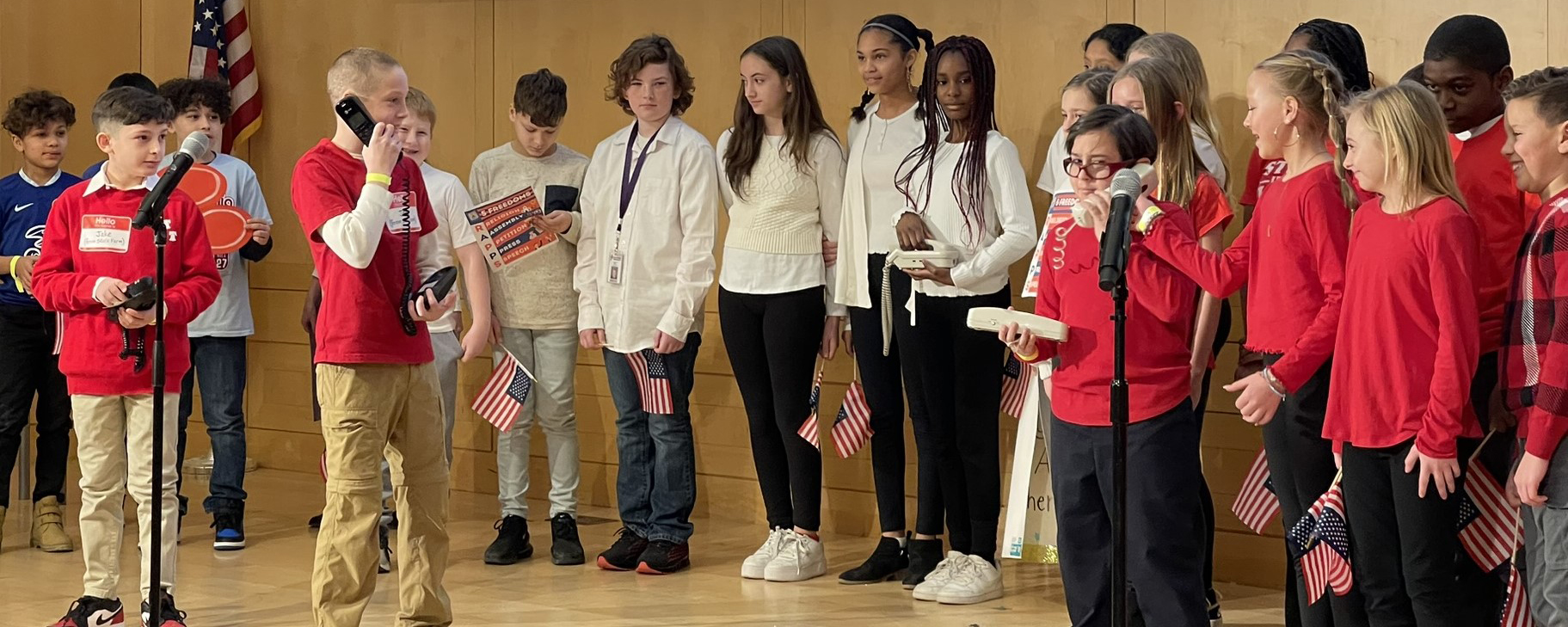
4th and 5th Grade Students Debate the First Amendment: Which Freedom Is Most Important?
This year's Citizenship Challenge essay competition asked Pennsylvania 4th and 5th graders: Which freedom of the First Amendment is the most important?
-
What’s Behind the Holiday-Suicide Myth
For more than two decades, APPC has tracked how news stories erroneously linking the holiday season with suicide, despite national data showing that the suicide rate is largely seasonal & lower in winter.

-
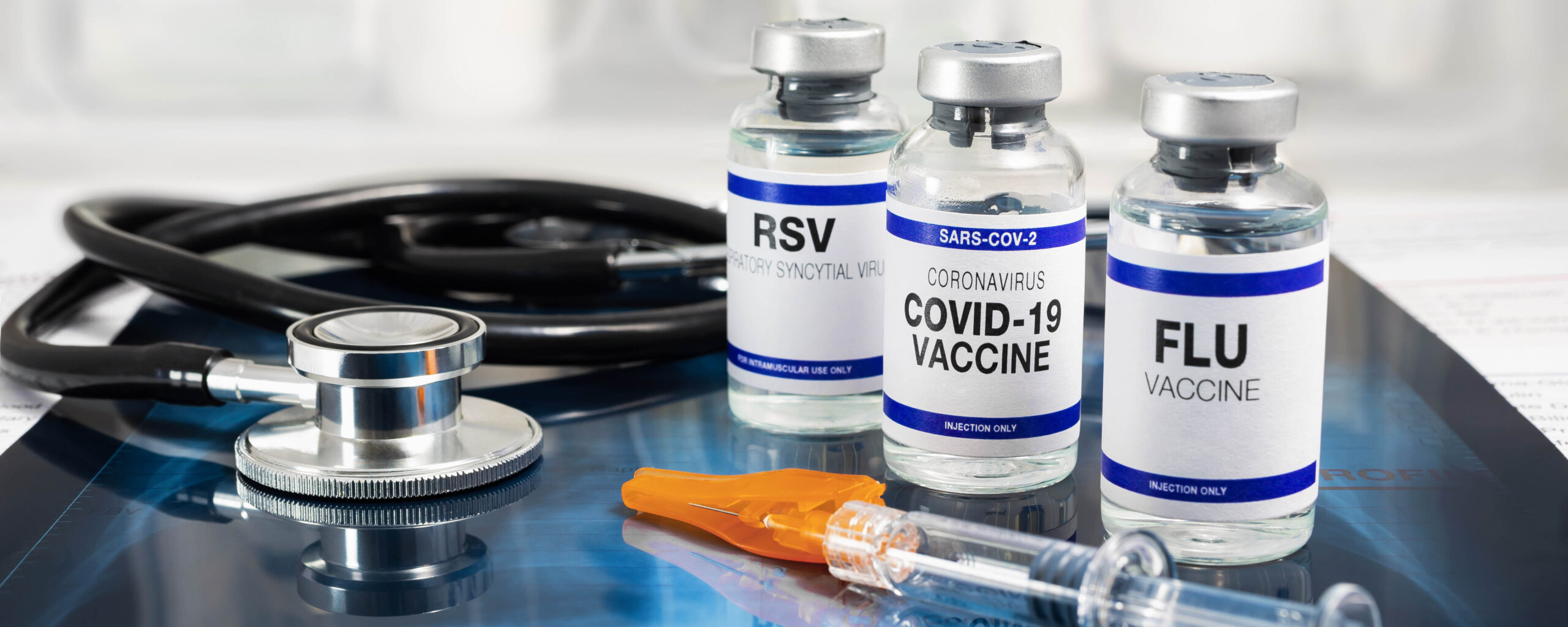
Over a Third of Americans Worry About Getting the Flu, RSV, or Covid-19
New survey shows over a third of U.S. adults worry that they or someone in their family will get flu, Covid-19, or RSV in next 3 months, but no consensus on which virus is more likely to cause severe illness.
-
Vaccine Confidence Falls as Belief in Health Misinformation Grows
Americans have less confidence in vaccines than they did just a year or two ago, and more people accept misinformation about vaccines and Covid-19, according to an APPC health survey.

-
Virtual Driving Assessment Predicts Risk of Crashing for Newly Licensed Teen Drivers
New research found that driving skills measured at the time of licensure on a virtual driving assessment, exposing drivers to common crash scenarios, helps predict crash risk.

-
Public Knowledge Varies Greatly on Flu and Covid-19, Surveys Show
There is wide variability in what the U.S. public knows about the seasonal flu and Covid-19, but some facts are much more strongly associated with an individual’s vaccination behavior, Annenberg surveys show.

-
Experiencing Record-Breaking Heat Days Affects Perception of Weather Trends
New research published by a team at APPC finds that experiencing days in which the temperature exceeds previous highs for that time of year affects people’s perception of weather trends.

-
Five Factors That Assess Well-Being of Science Predict Support for Increasing U.S. Science Funding
In PNAS, APPC researchers identify factors that reflect public assessments of science and are associated with public support for increasing U.S. funding of science.